
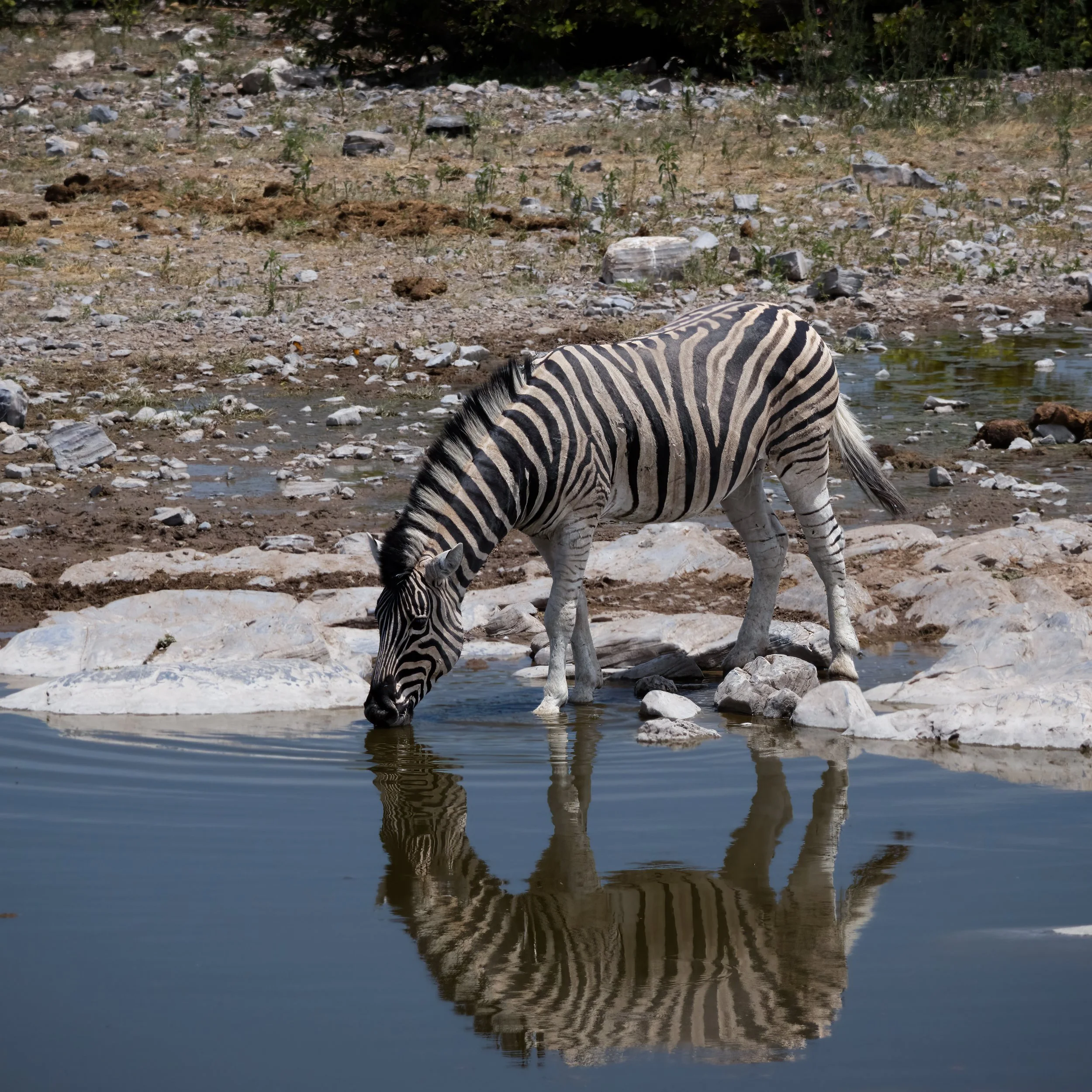
1) Is a safari safe?
Provided you follow all instructions, yes, safaris are generally safe. Camps follow strict safety protocols and guides are highly trained. You’ll receive clear instructions on arrival, and in unfenced camps you’ll be escorted after dark to and from your accommodation.
What to Expect on Safari
2) When is the best time to go on safari?
This depends to an extent with regard to your budget, crowds, school holidays etc and also depends on each of the locations. For example, Uganda it is best to go in January to March, but if you are looking for the great migration, you would go to Tanzania or Kenya in July to August.
The dry season (May to October) offers the most reliable wildlife viewing.
The green season (November to April) offers newborn animals, dramatic skies and good value.
When to Go
Frequently Asked Questions
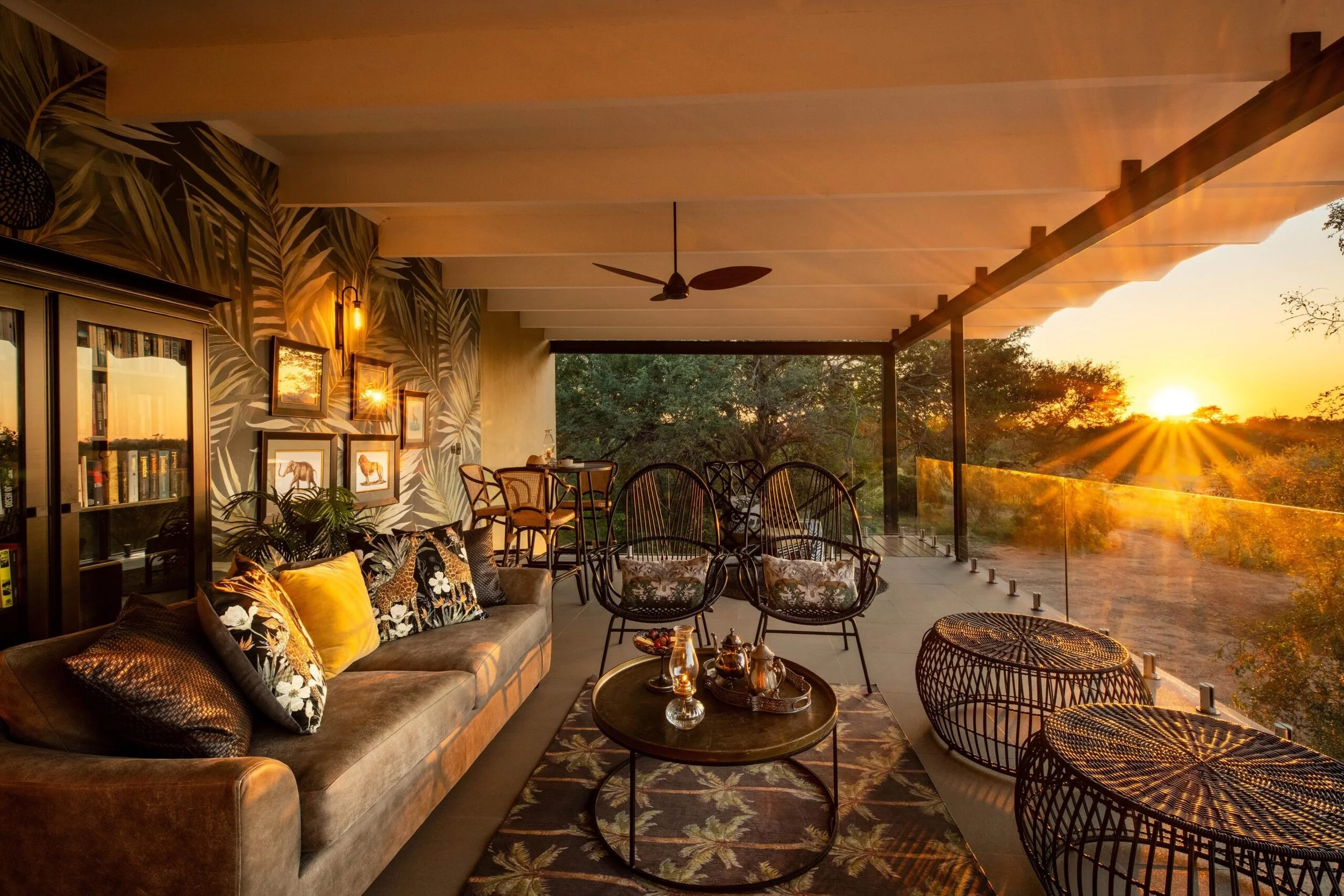
3) How long should I go for?
Most travellers spend 7 to 21 days across two to three areas. Short fly in safaris work well for long weekends for those more budget conscious travellers, who could combine wine tasting and visits in South Africa, with a shorter safari of a few days, to keep costs down.
How to Plan Your Perfect Trip
4) What animals will I see?
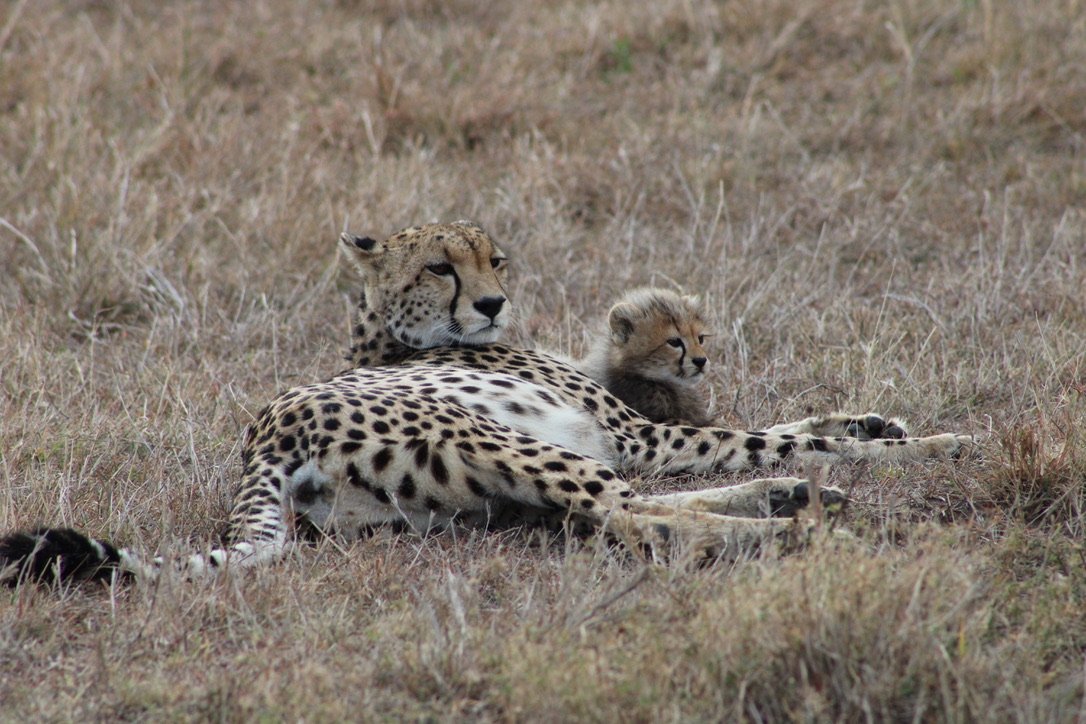
Most guests see lions, elephants, giraffes, zebras, buffalo, monkeys, baboons, impala, and many antelope species, along with local wildlife, numerous bird species, leopards, and cheetahs, depending on the country and region. Uganda and Rwanda are best for gorillas and chimpanzees and Madagascar for lemurs.
What You Will See
5) What should I pack?
Neutral layers, closed shoes, a warm jacket, soft-sided luggage, sunscreen and binoculars. Again, this will also depend on the time of year you are there.
What to Take and What to Wear
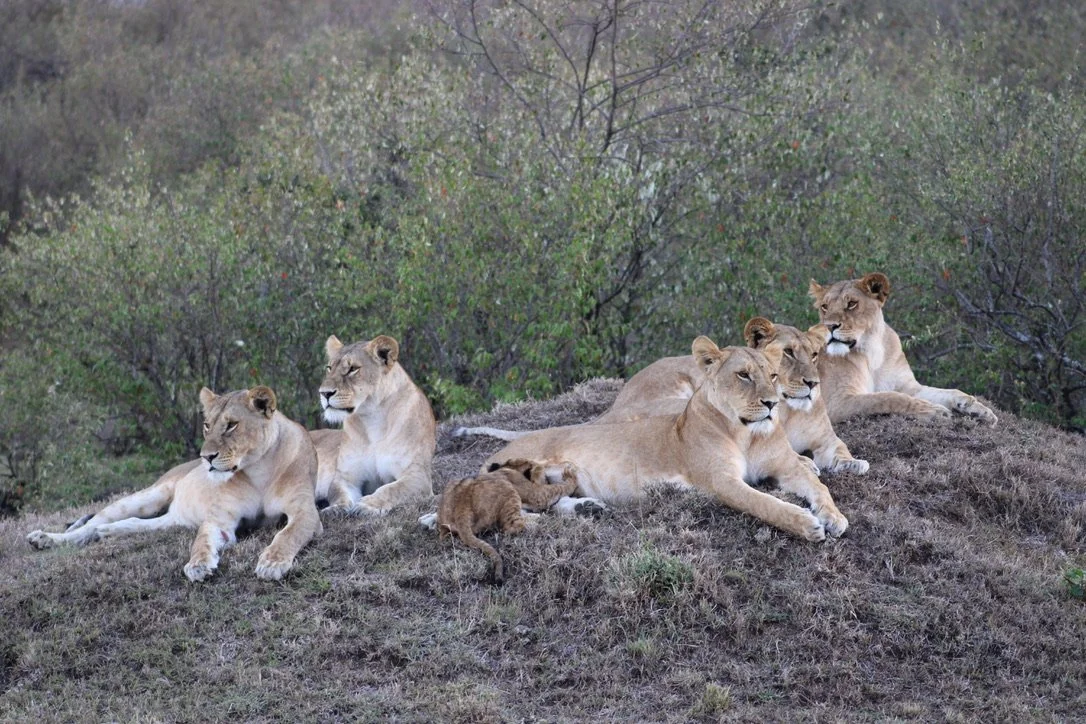
6) What will the accommodation be like?
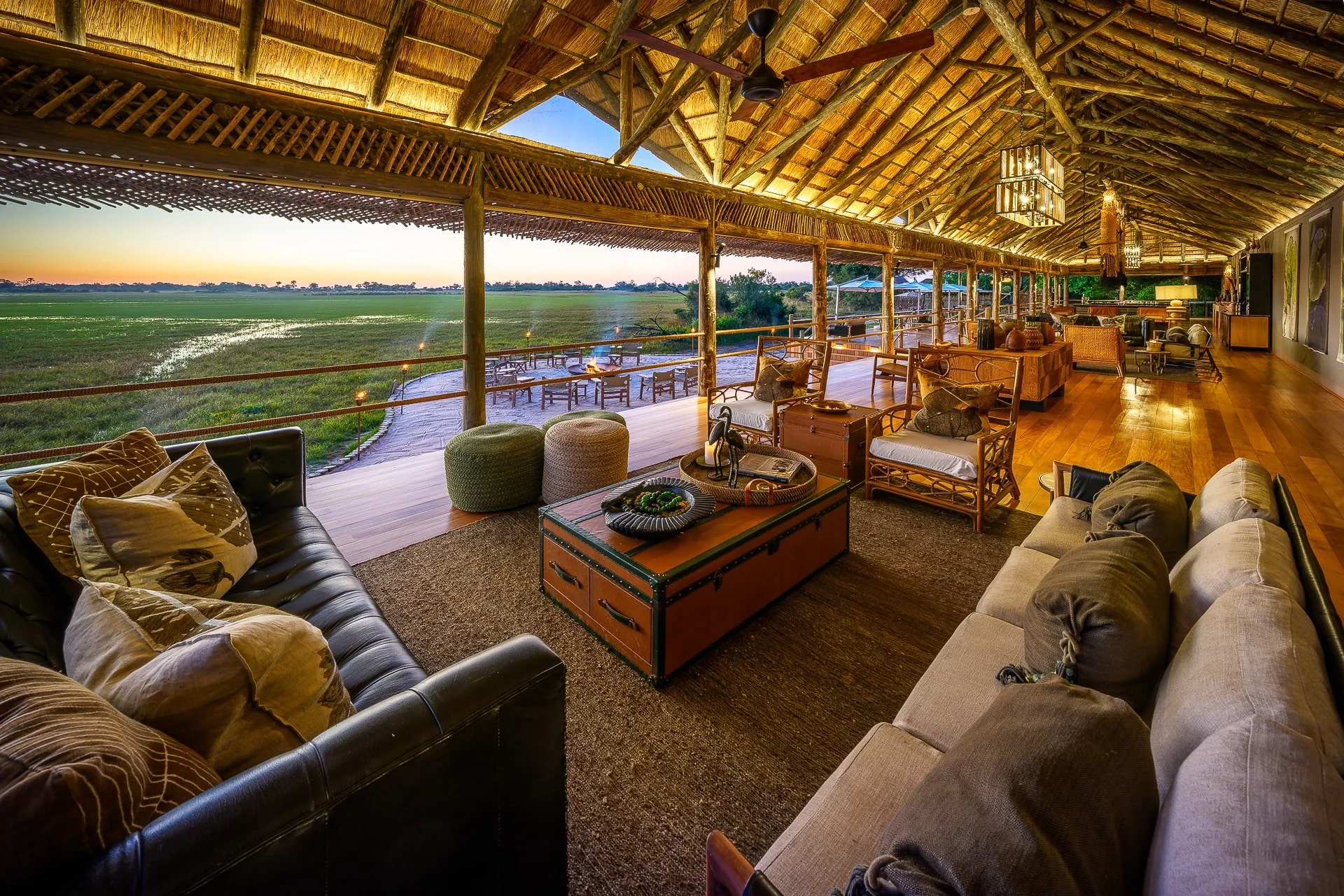
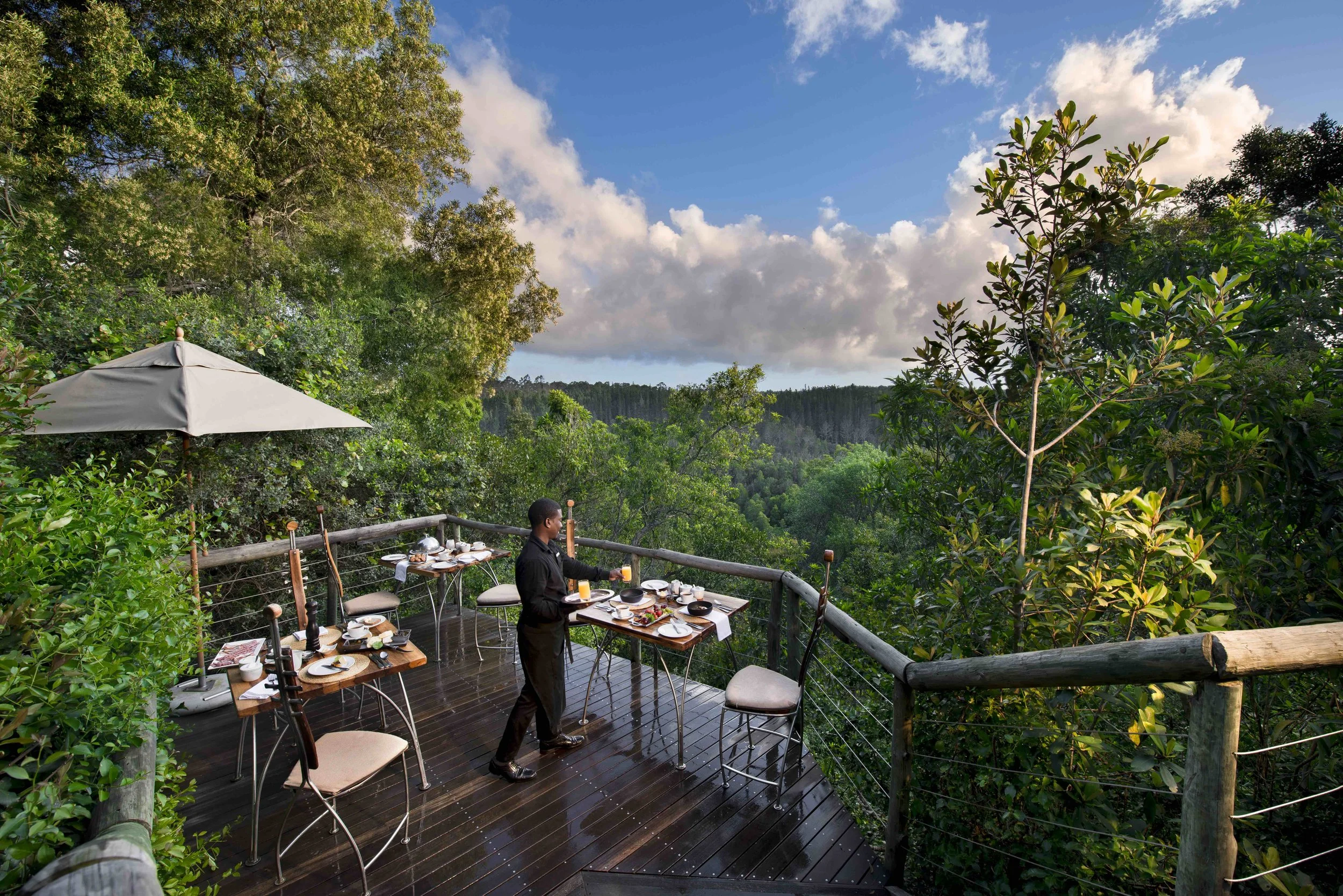
Modern safari lodges offer en-suite bathrooms, hot running water, high quality beds and excellent food. Remote camps may be more rustic but still comfortable.
What to Expect on Safari
7) How much does a safari cost?
A 7 to10 day safari typically ranges from £5,000+ per person depending on the country, lodge level and season. Ultra luxury options can cost a significant amount. It is worth noting that most consider a safari trip the trip of a lifetime and it is rare to meet someone who didn’t consider whatever they paid as money well spent.
How to Plan Your Perfect Trip
8) Do I need visas or vaccinations?
Visa requirements vary by country. Some offer e-visas; others offer visas on arrival and some don’t require visas at all depending on your country of origin. A travel health clinic will advise on vaccinations and malaria precautions.
Travel Health & Visas
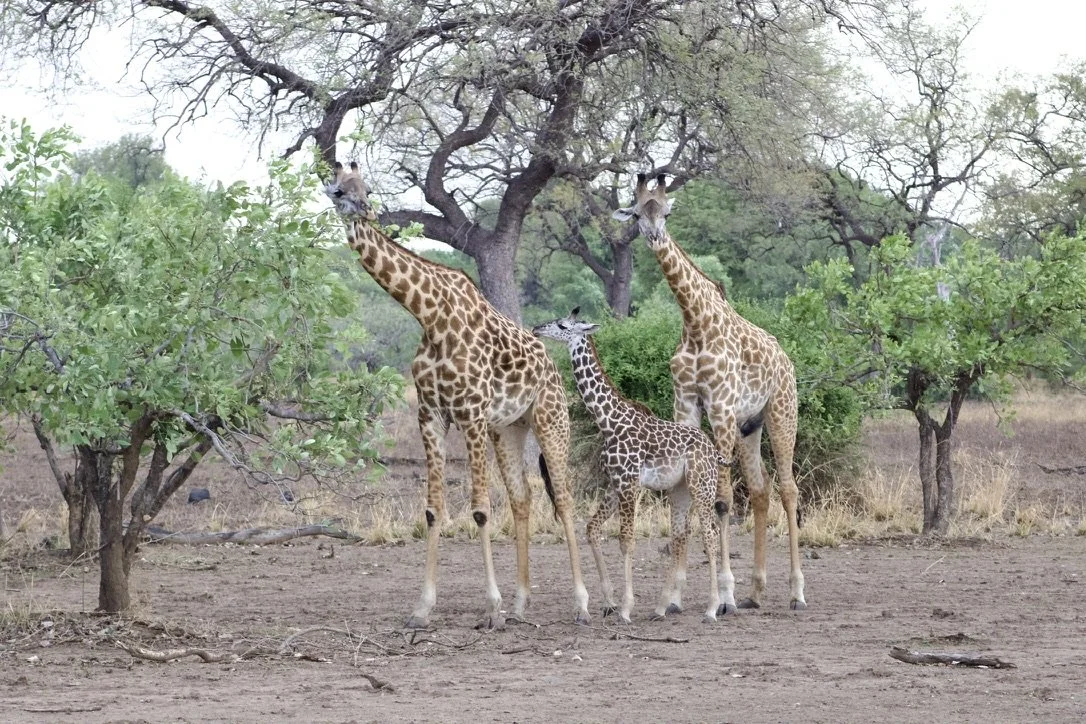
9) What is the daily routine?
Two activities a day: an early morning game drive, back to the camp/lodge for a meal followed by an afternoon game drive, with downtime between for meals and relaxation.
What to Expect on Safari
10) Can children go on safari?
Yes. Many lodges welcome children and offer family rooms or private vehicles. South Africa has malaria-free options that work especially well.
Families
11) Are safaris suitable for older travellers?
Absolutely. Fly in safaris minimise long road transfers and many camps offer walk free, vehicle based wildlife viewing.
Choosing Your Safari Type
12) Can I go on safari as a solo traveller?
Yes. Small group options are excellent for solo guests, and many private lodges are very welcoming.
Solo Travellers
13) What is the food like?
Fresh, varied and delicious food prepared by trained chefs. Dietary needs (vegetarian, vegan, halal, gluten-free etc) can be accommodated with advance notice. We always speak to you about this prior to the trip to ensure that all camps and hotels are made aware.
What to Expect on Safari
14) How close will I be to the animals?
The animals often approach vehicles closely, but guides maintain safe distances. Animals are habituated to vehicles and typically ignore them.
What to Expect on Safari
15) Do camps have electricity and Wi-Fi?
Yes. Most lodges offer reliable solar or generator power and Wi-Fi in main areas, though speeds can vary in remote regions.
What to Expect on Safari
16) What is the tipping etiquette?
Tipping is optional but appreciated. General guidance is around $10 - 15 USD per guest per day for guides and $10 - $15 USD per guest per day for camp staff. Please note tips are paid in USD which makes it easier!
What to Expect on Safari
17) Are drones allowed?
Generally no. Most parks ban drones for safety and wildlife protection.
Travel Health & Visas
18) Will I need to join long hikes or walks?
No. Most wildlife viewing is done from vehicles. Walking safaris are optional and only recommended for older teens and adults in good physical condition.
Choosing Your Safari Type
19) Is a safari physically demanding?
Not usually. The most strenuous part is early mornings. Walks are optional; most travellers of all fitness levels manage comfortably.
What to Expect on Safari
20) What happens if it rains?
Rain showers are usually brief. Drives continue unless conditions are unsafe. You are often provided with ponchos by the lodges.
When to Go
Contact us to design your tailor-made safari