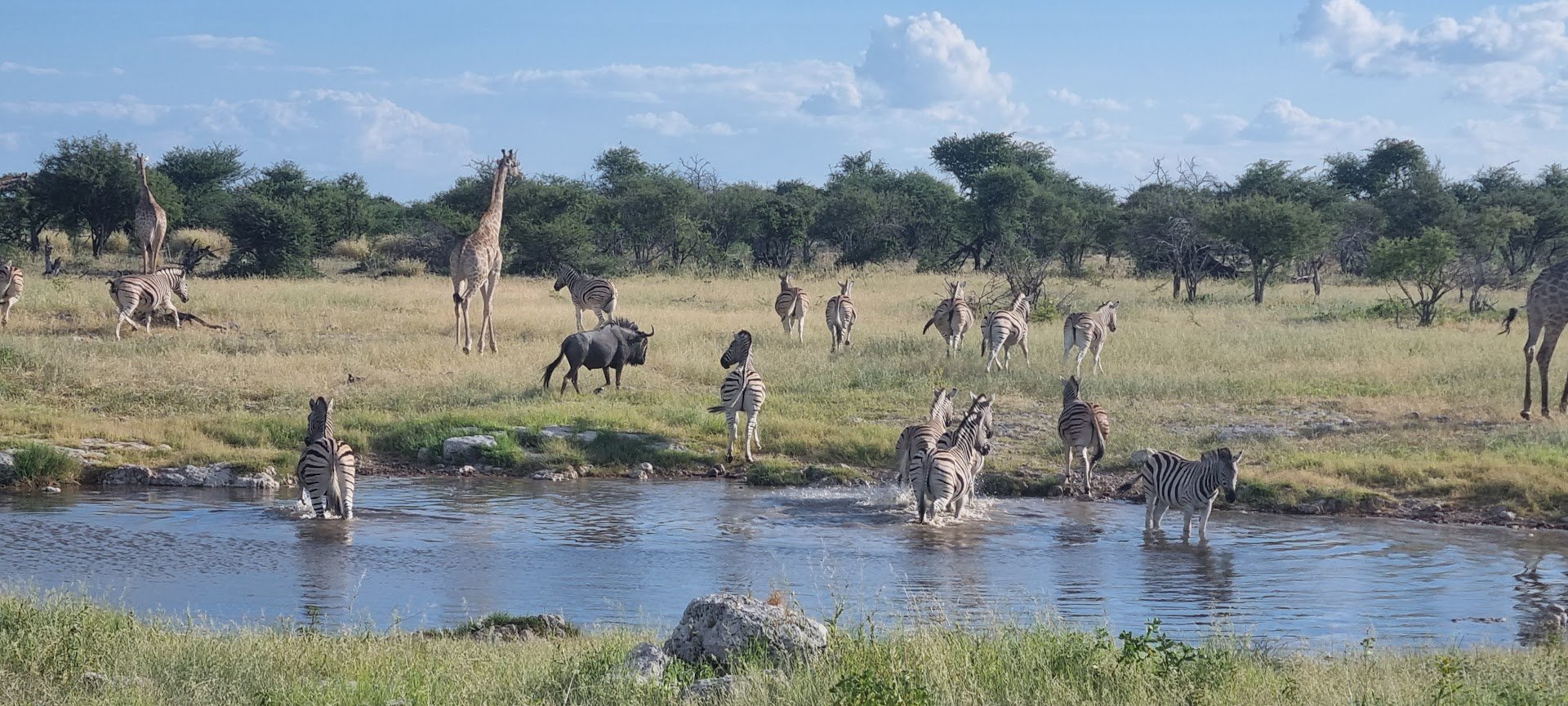
1) The Daily Rhythm
Early Morning (around 5.30–6.00 am) Wake-up call with tea or coffee. Depart before sunrise when wildlife is at its most active. Temperatures are cool and light is ideal for photography
Mid-Morning (9.30–11.00 am) Return to camp for breakfast or brunch. Free time: relax, swim, enjoy the views, or download photos
Afternoon (3.30–6.30 pm) Second activity: game drive, boat safari, canoeing or walk. Ends with a sundowner in a scenic spot
Evening Dinner under the stars or in the main dining area. Time by the fire and early nights to the sounds of the bush
What to Expect on Safari
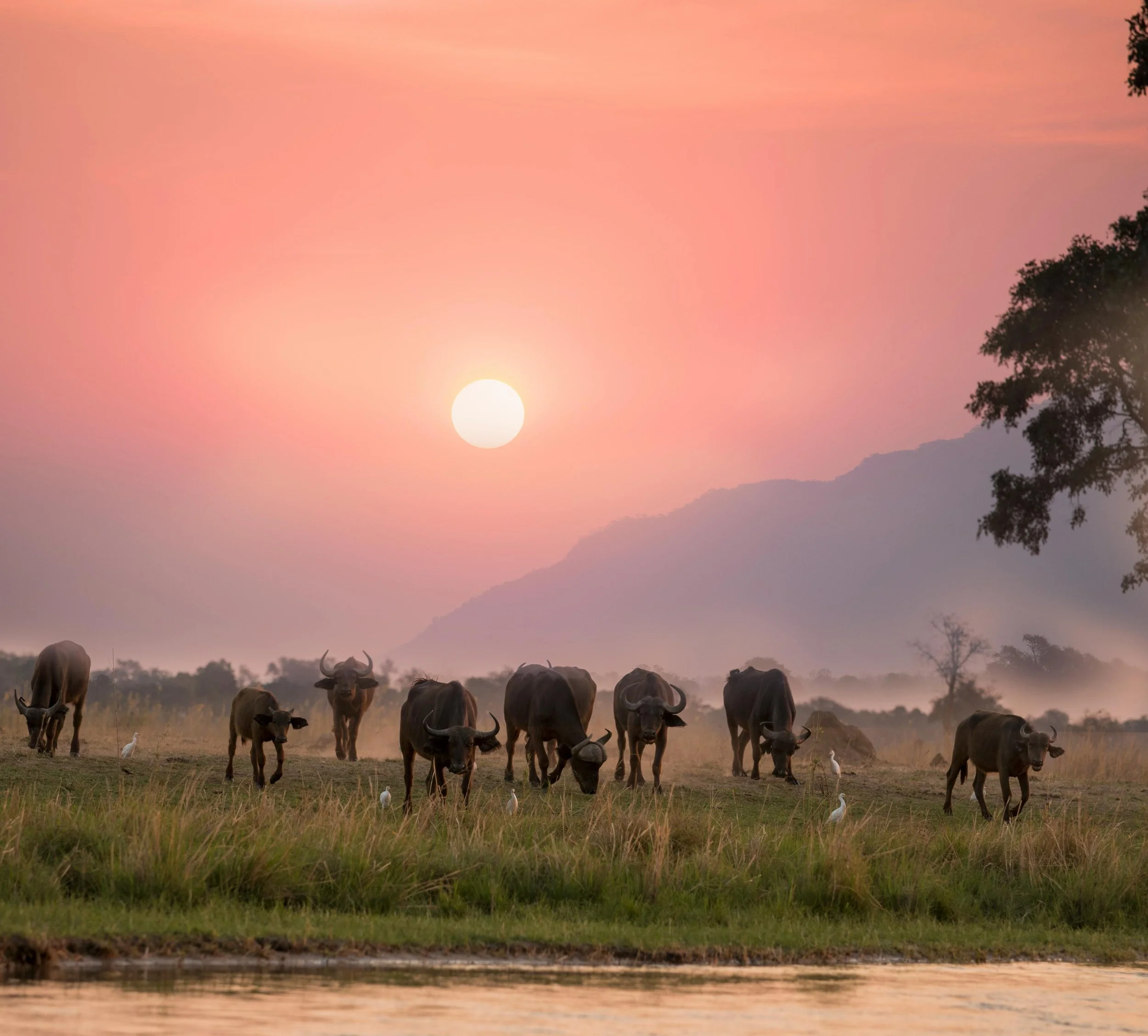
2) Activities and Pace
Your days can be as active or as relaxed as you choose. Activities vary by destination and season.
Common options:
Open-vehicle game drives
Walking safaris with armed guides
Boat or canoe excursions
Cultural visits to nearby communities
There’s always flexibility — you can skip an activity, leave earlier, stay longer at a sighting or choose a slower pace
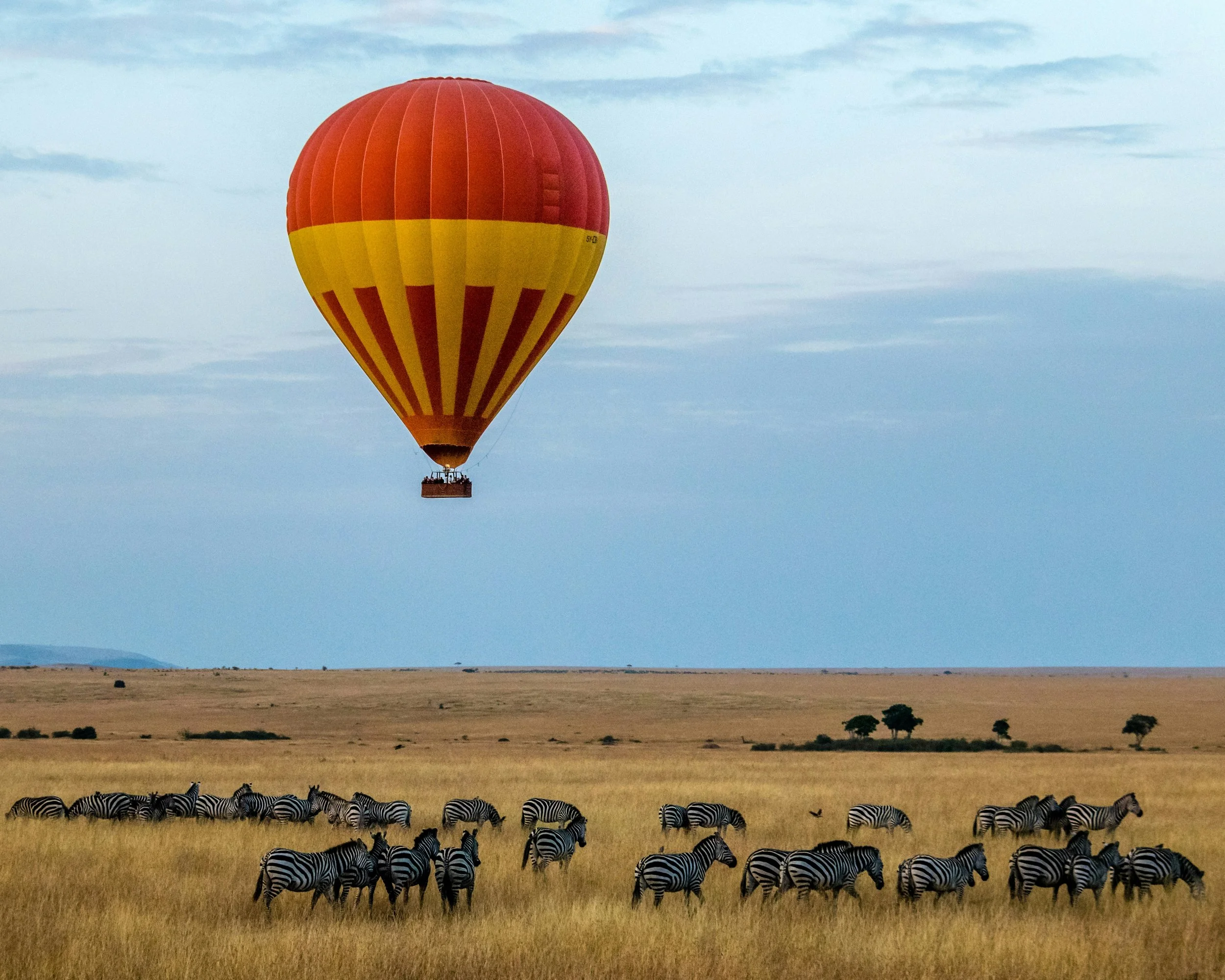
3) Comfort and Accommodation
Modern safari camps balance comfort with immersion in nature.
Expect:
Ensuite bathrooms with hot running water
High quality beds and linens
Fans or air conditioning depending on location
Solar or generator power with charging points
Pools, spa treatments or gym tents in many lodges
Wi-Fi is common in main areas but often limited, a positive for many guests
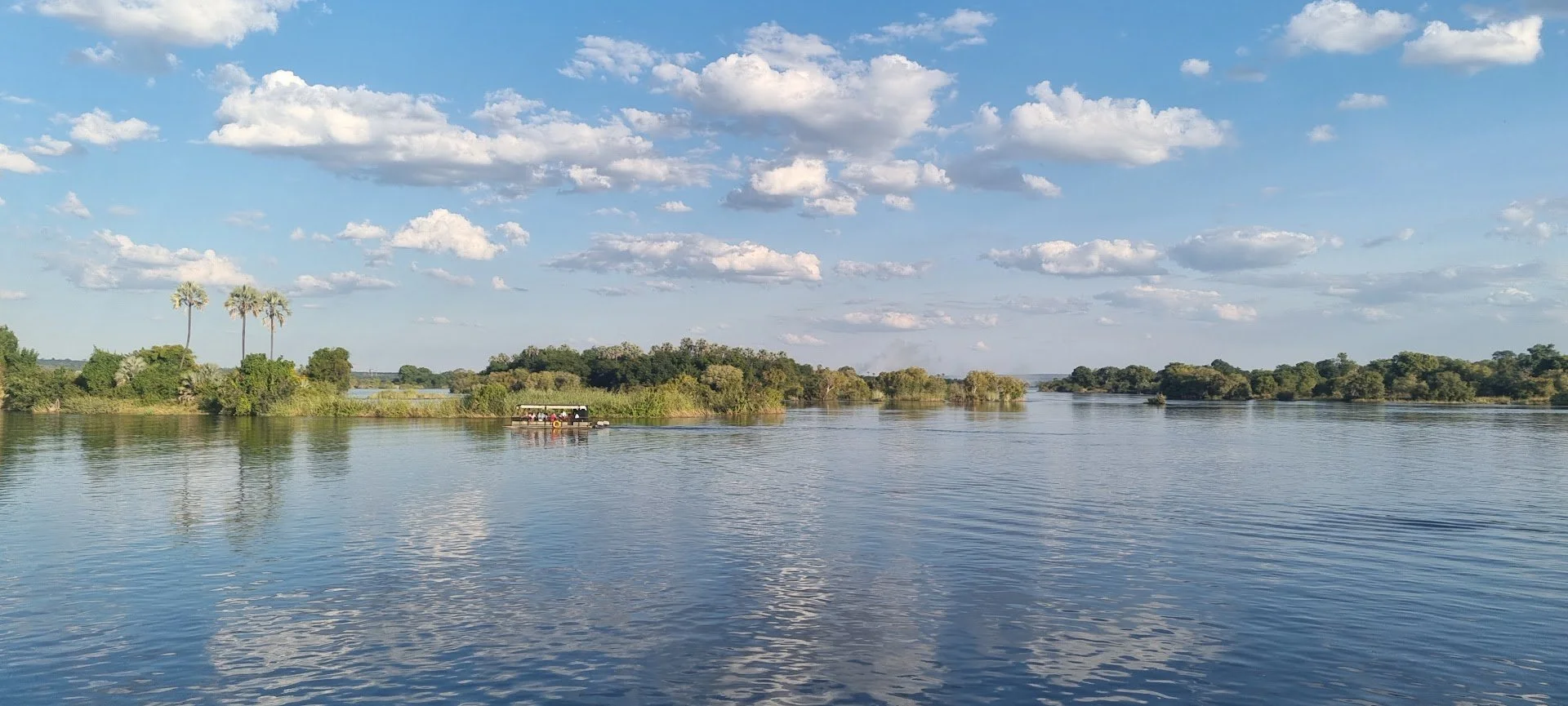
4) Food and Drink
Dining is a highlight. Most camps offer fresh, seasonal menus prepared by professional chefs. A typical pattern:
Cooked or continental breakfast
Light lunch or buffet
Afternoon tea
Three-course dinner
Snacks and drinks on drives
Dietary requirements (vegetarian, vegan, gluten-free, halal, allergies) are handled easily with advance notice

5) Guides and Vehicles
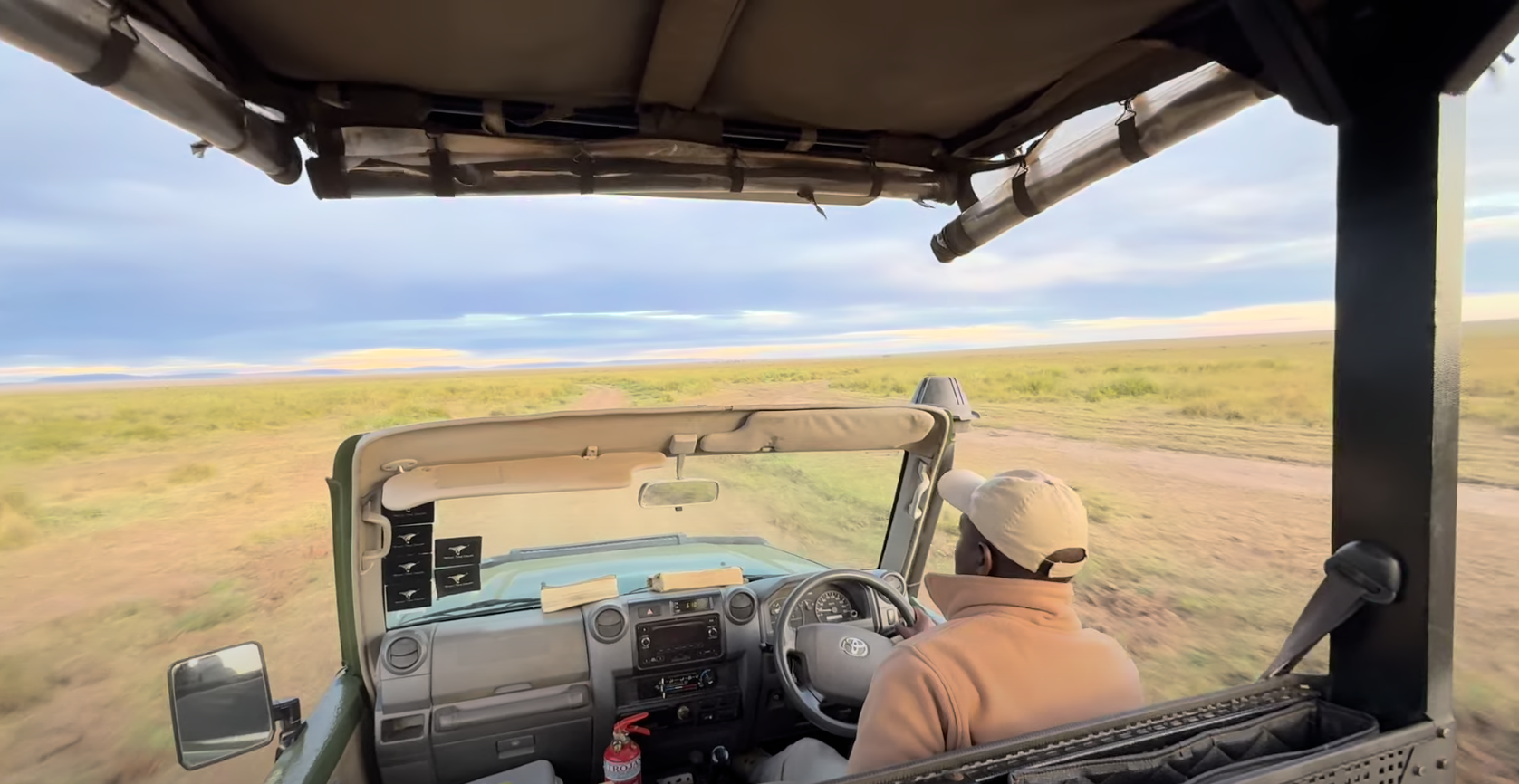
Guides are highly trained and licensed, with exceptional knowledge of animal behaviour and local ecology. Vehicles are:
Open-sided for visibility
Equipped with blankets in cool months
Designed for stability and safe off-road manoeuvring (in private reserves)
A great guide is often the difference between a good sighting and an unforgettable one
6) Weather and Conditions
Safari weather can shift throughout the day. Typical patterns:
Cool mornings and evenings (10–15 °C/ 50–59 °F)
Warm midday temperatures (25–35 °C/77–95 °F)
Occasional showers depending on region and season
Dust is common in dry months; lightweight scarves help
7) Connectivity and Power
Wi-Fi is available at most lodges but may be slow
Mobile coverage varies widely
Power banks are useful for long drives
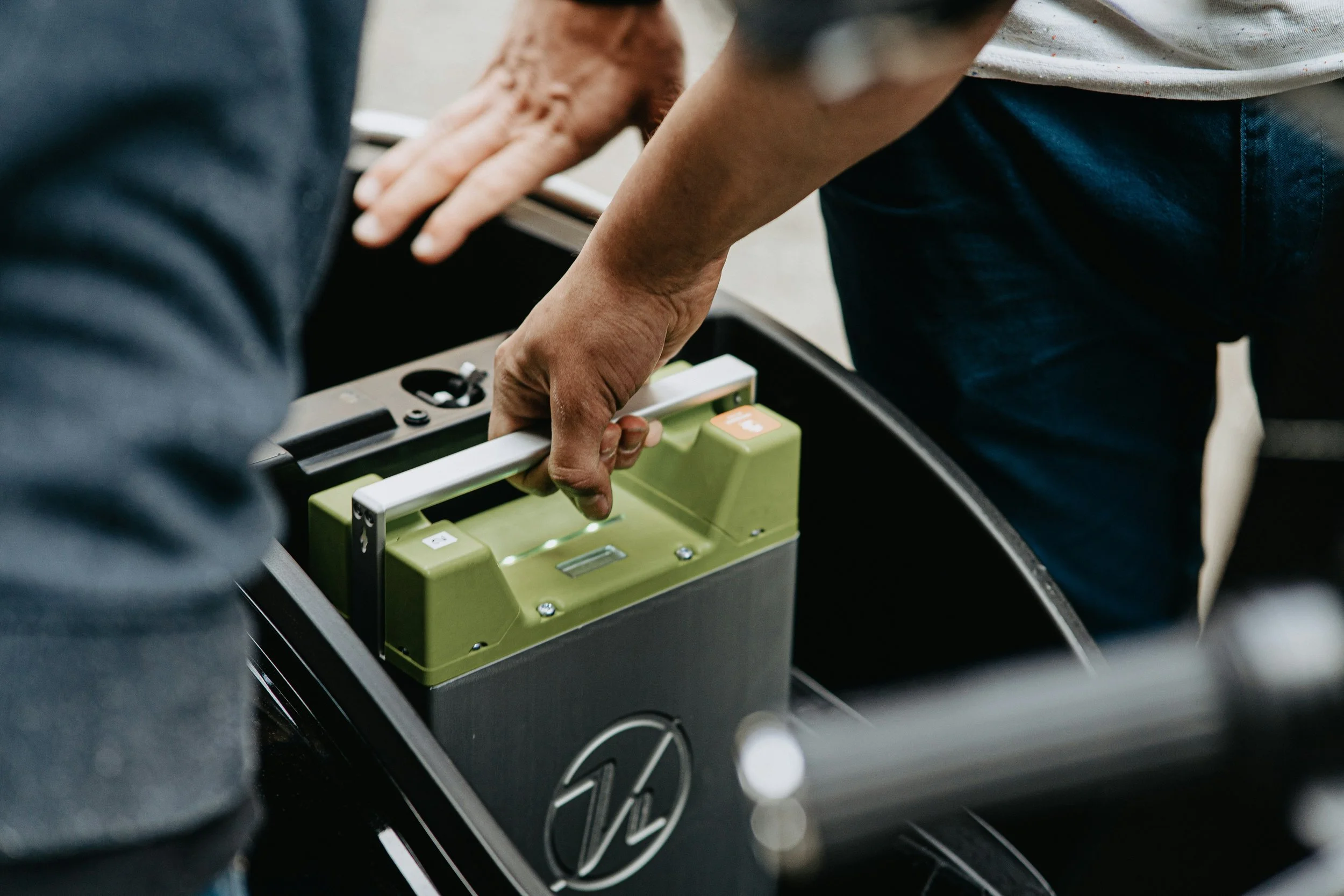
Some camps run on solar with generator back-up — electricity is usually reliable
8) Safety and Wildlife Etiquette
Your safety is always the priority. Key guidelines:
Never walk unescorted in unfenced camps after dark
Keep limbs and cameras inside the vehicle
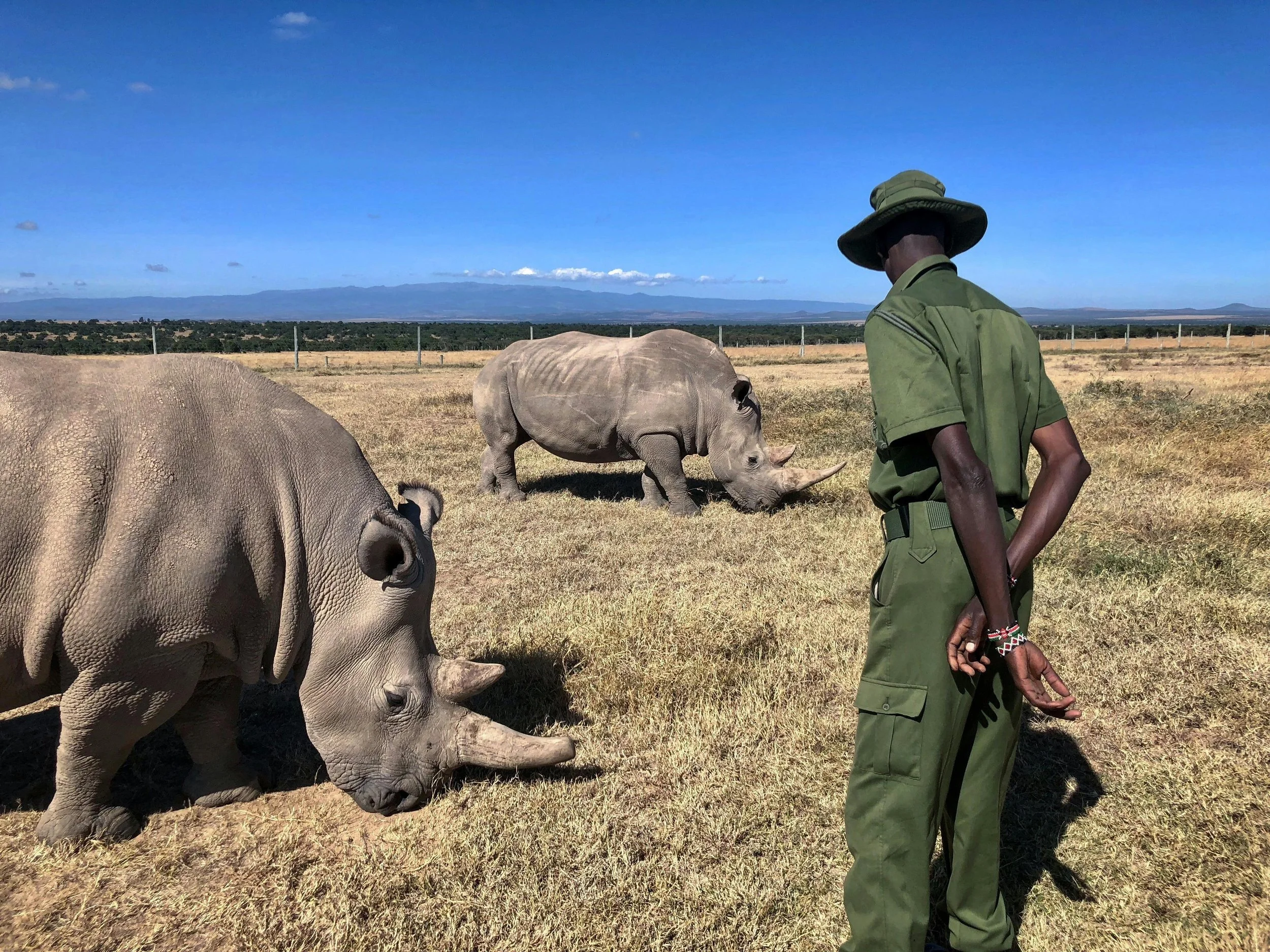
Stay quiet at sightings to avoid disturbing wildlife
Follow guide instructions — they read situations quickly and safely
Animals move freely through some camps, which adds to the experience but requires awareness
9) Tipping and Service
Tipping is not compulsory but is appreciated.
General guidelines (varies by country):
Guides: USD 10–15 per guest per day
Camp staff: USD 5–10 per guest per day (often pooled)
10) Small Surprises
Some of the most memorable moments happen unexpectedly:
An elephant wandering past your veranda
A last-minute leopard sighting
A guide spotting tracks you’d never notice
A spontaneous detour to watch a river crossing
These unscripted moments are part of what makes a safari feel alive
Contact us to design your tailor-made safari