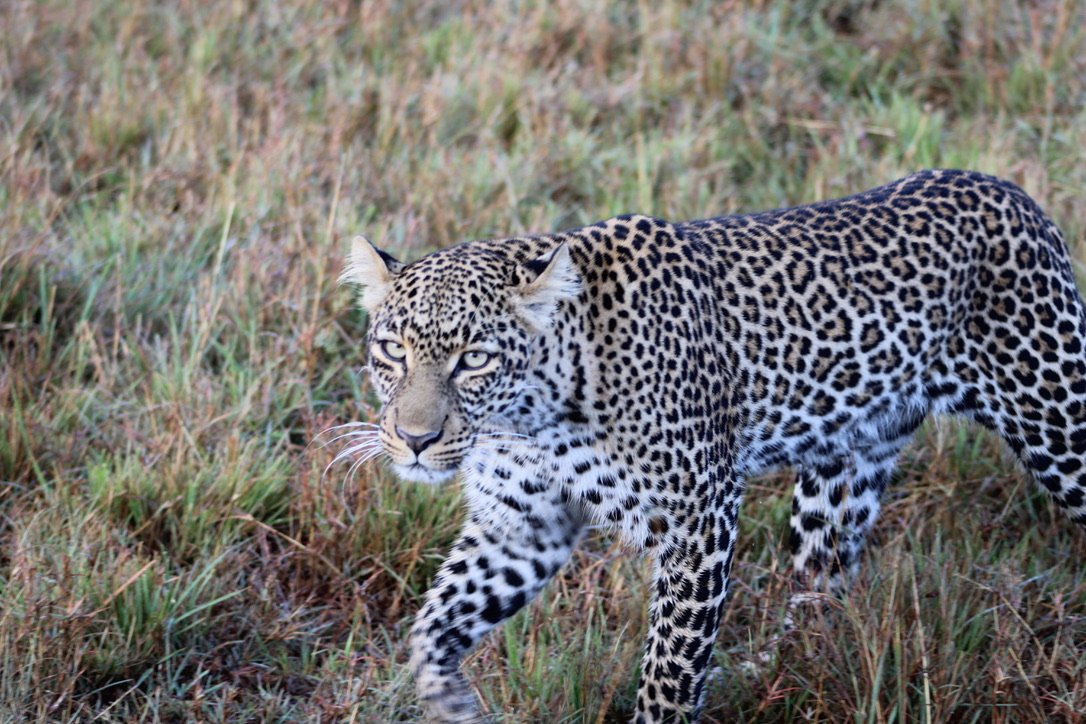
Planning Your Safari
Planning a safari should feel exciting, not overwhelming. Our ten-step guide helps you shape your dream trip, while our team refines it into a journey that balances the must see experiences with your own pace and personality.
1) Define Your Priorities
Start with what matters most to you. Your top two priorities will shape every later choice, from where you go to how you travel.
Consider:
Wildlife focus: Big Five, Great Migration, gorillas, desert specialists, marine life
Trip feel: Private and secluded, family-friendly, active and adventurous, restorative
Add-ons: Beach, wine country, city stop
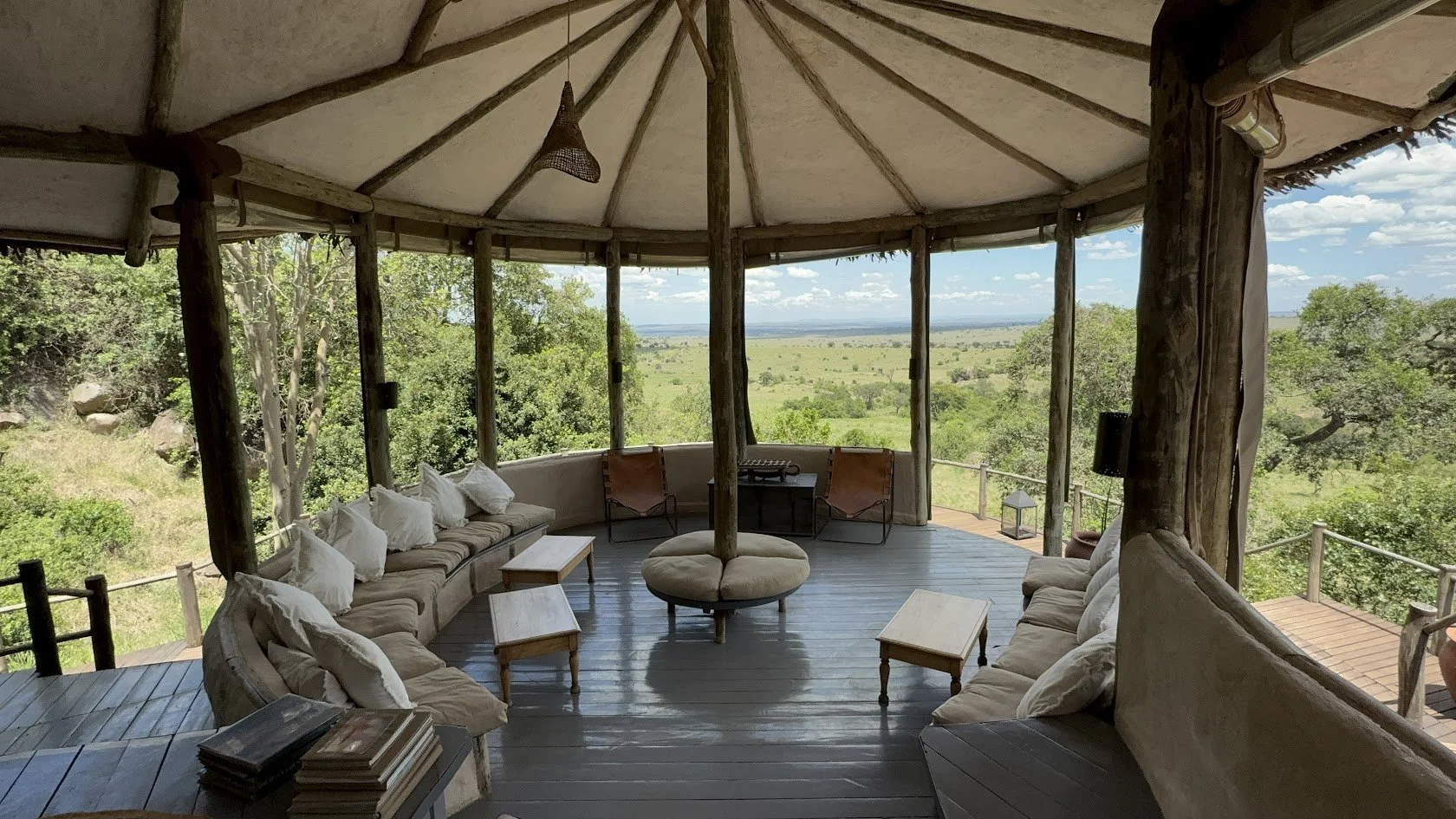
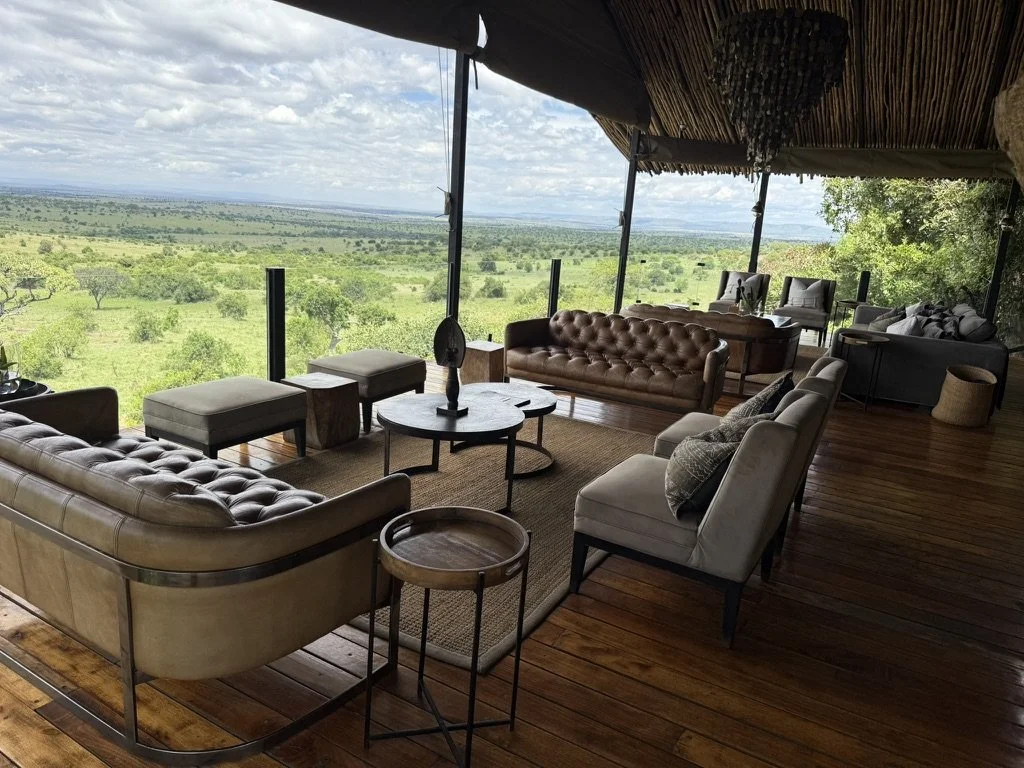
Comfort level: Classic tented camp, contemporary lodge, or private villa
Access: Prefer to minimise flights, or happy with fly-ins between remote areas
Quick examples:
If you want Migration drama, think Kenya (July to October) or Tanzania
If you want walking and wilderness, think Zambia or Zimbabwe
If you want malaria-free with children, think South Africa
If you want unique wildlife, think Madagascar or Uganda
If you want river and water-based safaris, think Botswana (Okavango Delta) or Zambia (Lower Zambezi)
If you want coastal relaxation, think Mozambique or Zanzibar
2) Choose Region and Country
Africa is vast — picking the right region helps avoid unnecessary travel time and ensures a smoother itinerary.
East Africa (Kenya, Tanzania, Uganda): Great Migration, open savannahs, volcanic craters, gorilla trekking. Strong sense of wilderness and cultural depth (Maasai, Chagga, Batwa)
Southern Africa (Botswana, Namibia, Zambia, Zimbabwe, South Africa, Malawi): Private concessions, diverse landscapes (deserts, deltas, rivers, forests). High comfort levels, expert guiding, fewer crowds
Indian Ocean Extensions (Mozambique, Zanzibar, Seychelles): Combine safari and sea with short regional flights
Logistics: Main hubs: Nairobi, Johannesburg, Lusaka, Windhoek, Cape Town. Typical light-aircraft transfer times: 30 to 90 minutes between camps
How to Plan Your Perfect Safari

3) Set Trip Length and Shape
Most luxury safaris last 7 to 10 days, covering two or three contrasting areas
Allow 11 to14 days if you plan to add the coast or a fourth stop
Typical itineraries for 10 days:
Tanzania: Serengeti + Ngorongoro + Zanzibar
Botswana: Okavango Delta + Chobe or Makgadikgadi
South Africa: Private Kruger reserve + Cape Town or Winelands
Zambia: South Luangwa + Lower Zambezi + Victoria Falls
Short Breaks (3 to 5 nights):
Perfect for Middle East or European travellers e.g. fly-in Botswana, Zambia walking, Uganda gorilla trek, Mozambique coast. See our Short Trips section for more or contact us.
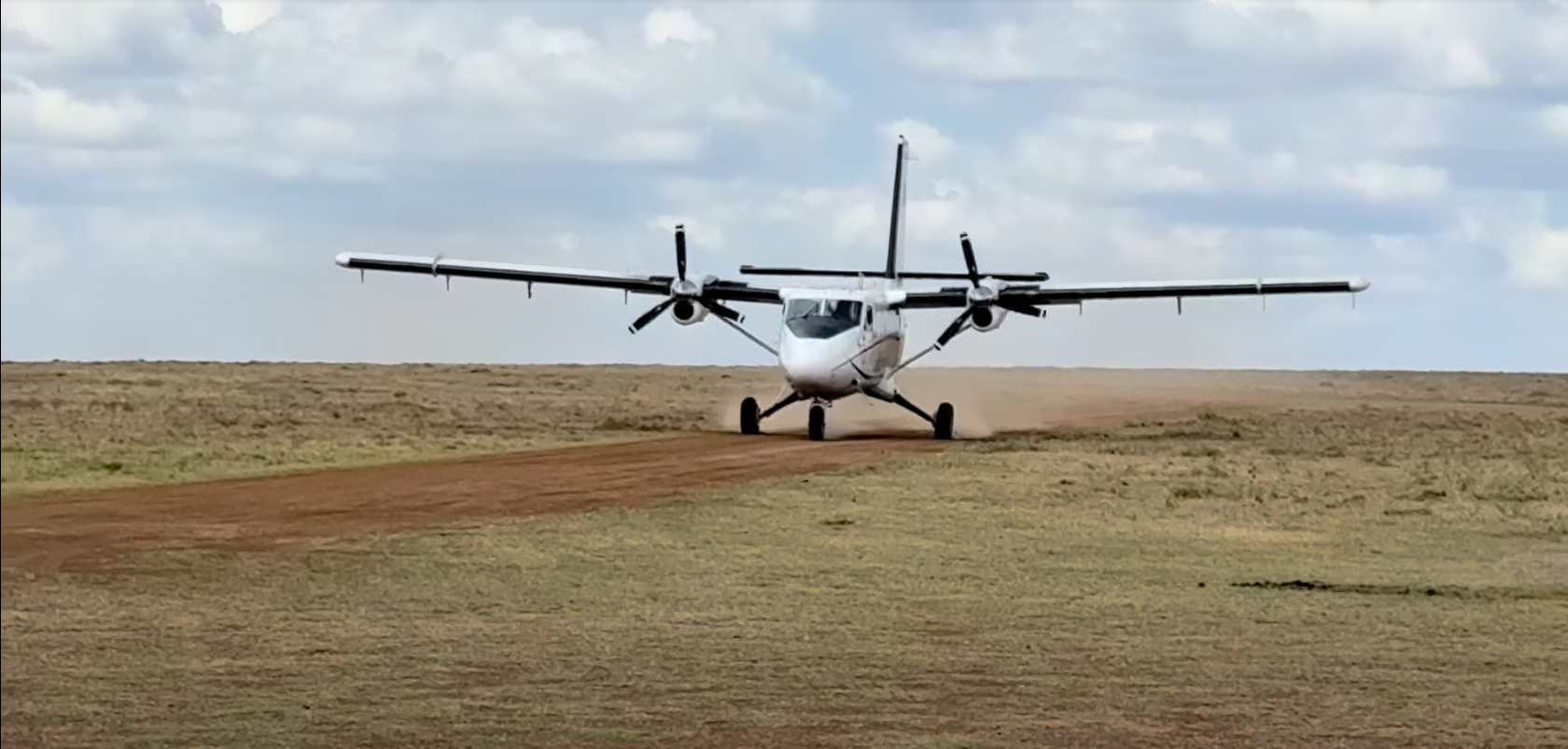
4) Pick Your Safari Style
Choose how you want to experience the bush as you can vary everything from pace and comfort to privacy and activity level.
Options
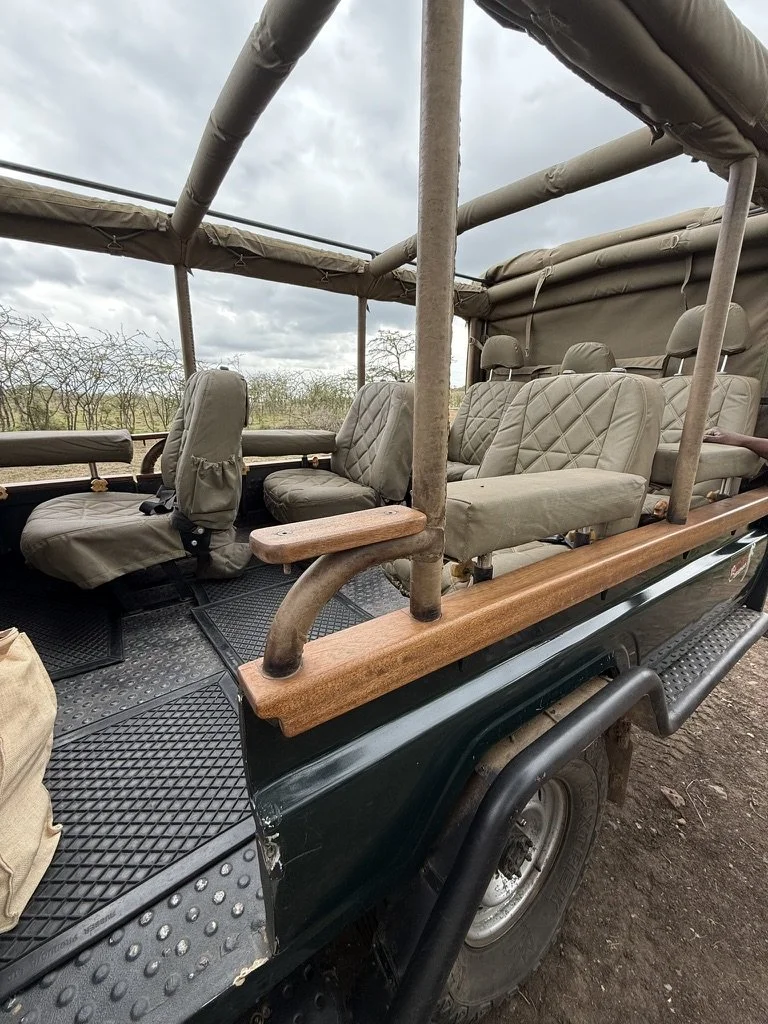
Private lodge circuit: Flexible, luxurious, and ideal for first-timers
Private guide and vehicle: Ultimate control over schedule and sightings
Walking safaris: Ideal for older teens and adults; deep immersion
Fly-in safaris: Seamless movement between remote regions
Self-drive: Suits Namibia and South Africa’s excellent roads
Tip: A mix often works best — for example, two fly-in lodges and one walking camp
5) Budget Ranges
Indicative per person, based on two sharing. International flights not included.
Comfort luxury: £6,000+ for 7–10 days (shared drives, standard luxury lodges)
Premium: £10,000+ (private camps, some fly-in transfers)
Ultra-luxury: £15,000+ (private charters, exclusive lodges, top-tier service)
Fly-in Safaris: Typically £9,000 – £15,000 depending on distance and number of flights. Costs cover light-aircraft connections between lodges and remove most long road transfers for added comfort and time efficiency
How to save without compromise:
Travel in the green season (November to April) for 20–40% savings and fewer crowds
Spend more nights in fewer places. With less transit it’s better value
6) Choose Timing
Seasons dictate both experience and cost with lush seasons making it harder to see wildlife but bringing lower prices and the chance to see newborns of all species. The dry season means clearer views to the landscapes but slightly busier parks.
Dry season (May to October): Clear skies, concentrated wildlife, peak rates
Green season (November to April): Lush scenery, newborn animals, better value, occasional rain
Key events
Great Migration calving (Tanzania): January to March
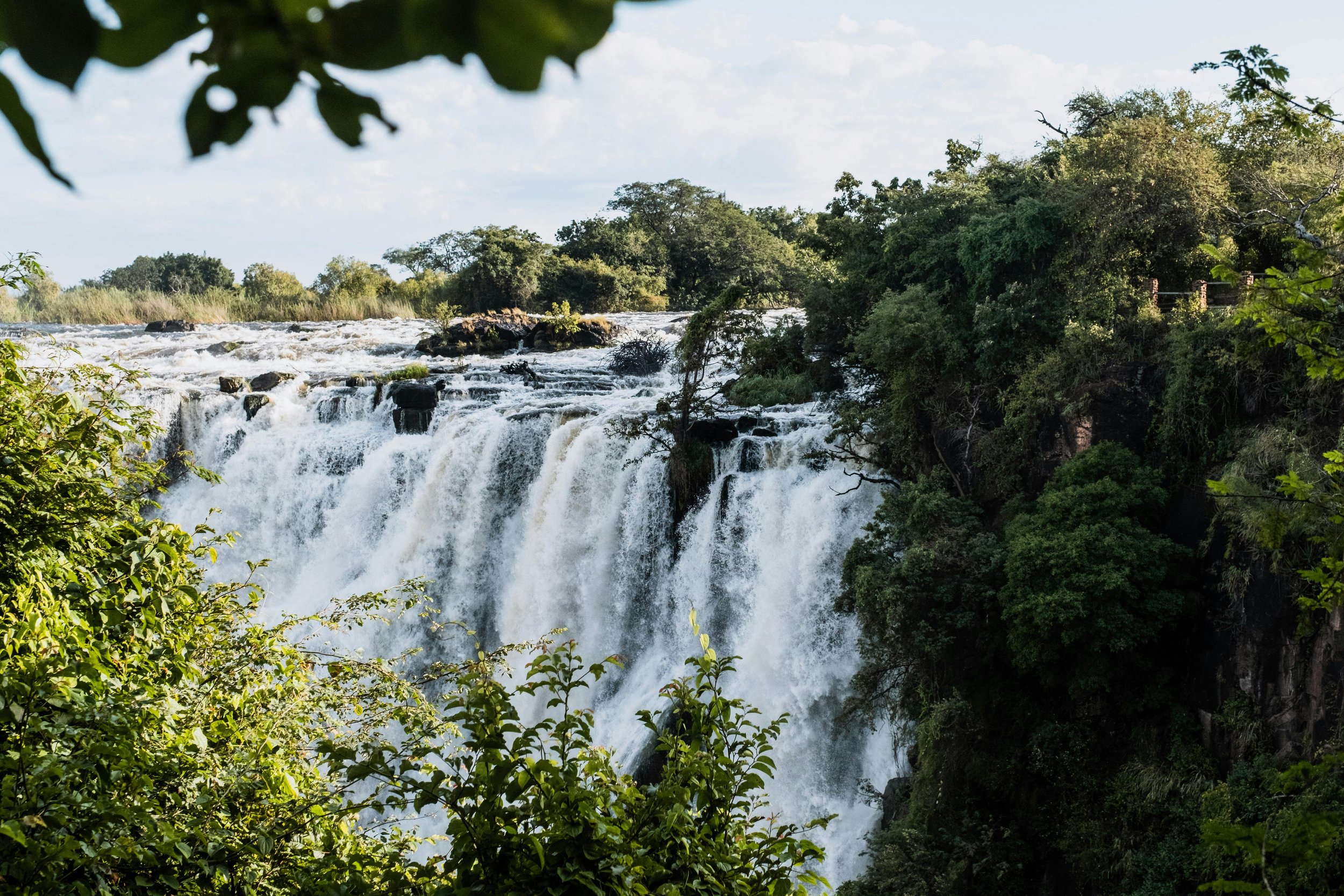
Victoria Falls peak flow: April to June
Madagascar whale shark season: October to November
Birding peaks: November to February
7) Decide on the Right Areas Inside Each Country
Examples of how we tailor trips and use our experience to bring you your dream safari:
Kenya: Masai Mara for the spectacle; Laikipia and conservancies for exclusivity
Tanzania: Serengeti for migration; Ruaha and Selous for quiet, wild landscapes
Botswana: Okavango for water safaris; Chobe for elephants; Makgadikgadi for pans
Zambia: South Luangwa for walking; Lower Zambezi for river safaris
South Africa: Kruger private reserves; Madikwe or Waterberg for malaria-free options
Namibia: Sossusvlei dunes, Damaraland desert elephants, Skeleton Coast solitude
Uganda: Bwindi gorillas, Kibale chimpanzees
Zimbabwe: Hwange elephants, Mana Pools canoeing, Matobo rock art
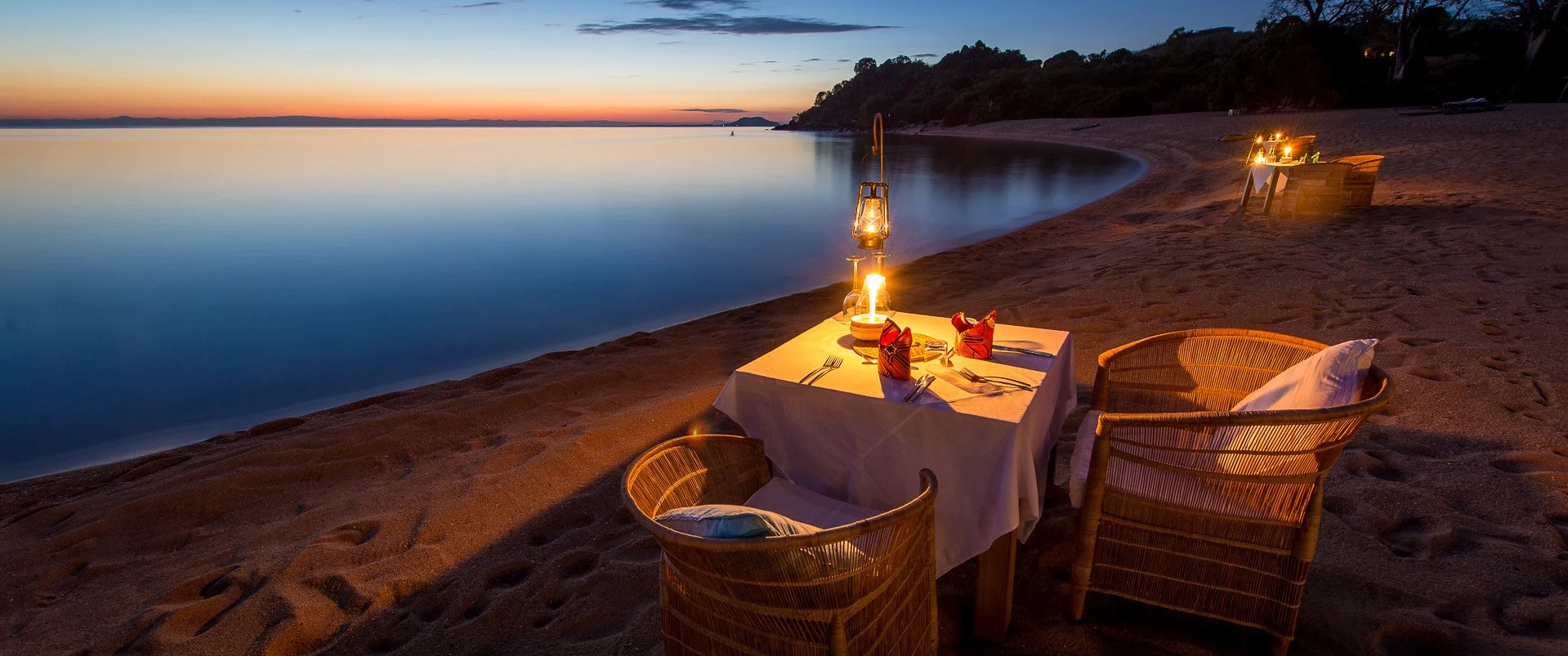
Malawi: Liwonde river safaris, Lake Malawi beaches
Mozambique: Bazaruto or Quirimbas for post-safari islands
8) Health, Visas and Practicalities Checklist
Passport valid for 6+ months and at least two blank pages
Check visa rules early. Some are online (e-Visas), others on arrival
Consult your doctor or travel clinic on vaccinations and malaria prophylaxis
Use soft duffel bags for light aircraft flights (max 15–20 kg total)
Bring universal adapters, headtorch, power bank, a hard drive for your camera and plenty of spare batteries
9) Booking Timeline
12 to 9 months out: Best lodges, peak migration, school holidays
9 to 6 months: Prime dry season availability
Under 6 months: Excellent value in green season or shoulder months
Tip: Boutique camps fill fast. Early planning secures better rooms, guides, and air connections.
10) Contact Our Experts
Speak with our friendly and knowledgeable safari designers who will refine your priorities and present tailored itineraries that match your style and budget.
Every Diamond Skies safari is built from scratch, balancing comfort and adventure so that it feels effortless from the moment you arrive.
Contact us to turn these ideas into the safari of a lifetime.