
What to take & What to Wear
1) Luggage and Bags
Main Bag
Soft-sided duffel or soft suitcase
Light-aircraft flights typically allow 15–20 kg total, including hand luggage
Avoid hard-shell cases on fly-in safaris
Daypack
Small backpack for camera, sunscreen, hat, water and layers
Choose something comfortable and lightweight
2) Clothing
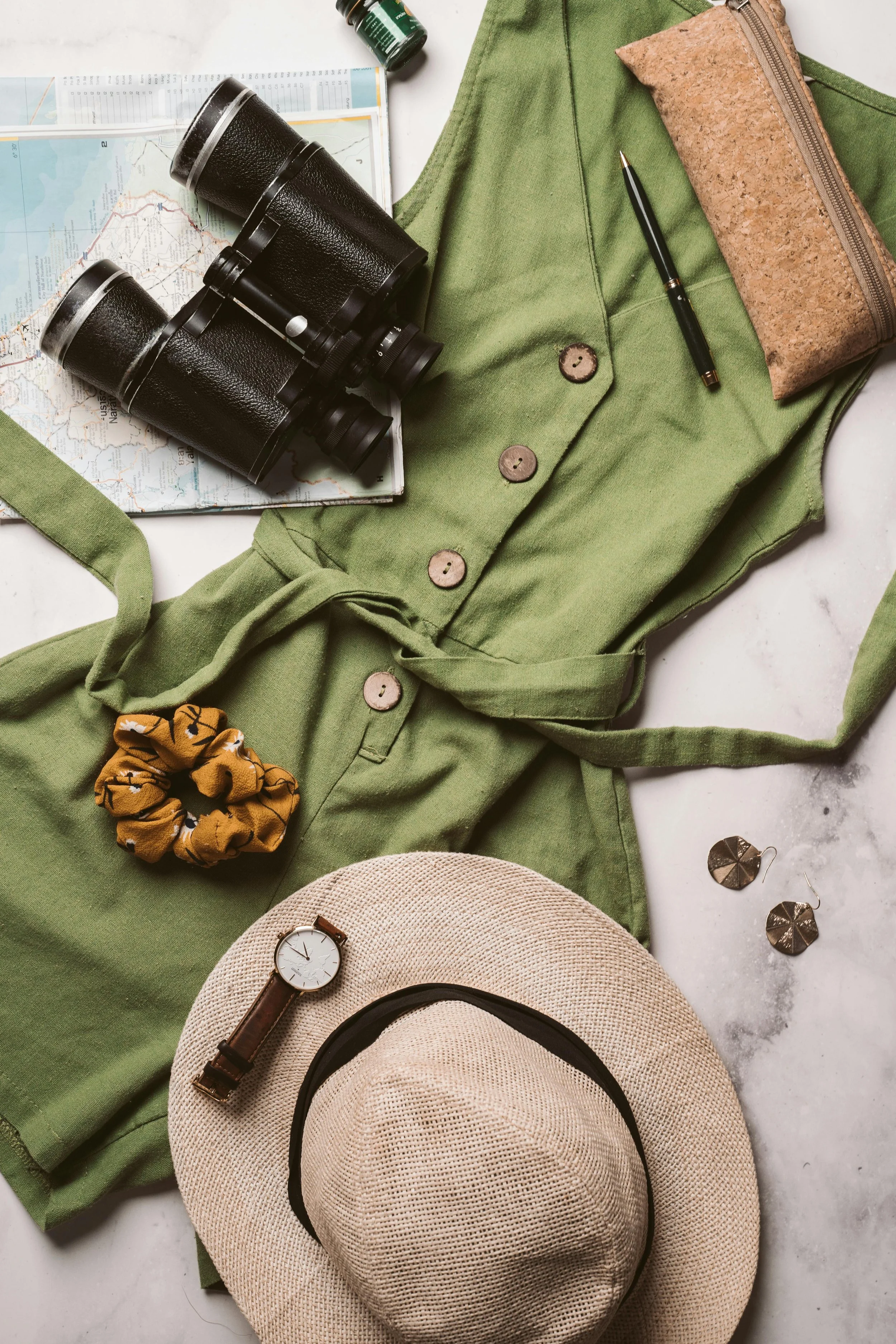
Neutrals are good: khaki, olive, beige, taupe (but don’t feel obliged to buy a new wardrobe as most animals can’t distinguish colour as we can, so clothing is more important when it comes to dust and the weather).
If your destination has Tsetse flies avoid blue as they are attracted to blue
Dark colours attract heat and insects
Essentials
2–3 lightweight shirts
1–2 long-sleeved shirts (sun and mosquito protection)
2 pairs lightweight trousers
Shorts or zip-offs for warmer afternoons
Skirts and dresses good for safaris in vehicles rather than walking
Light jumper or fleece for early mornings and evenings
Warm jacket for early morning drives
Comfortable closed shoes
Sandals or flip-flops for camp
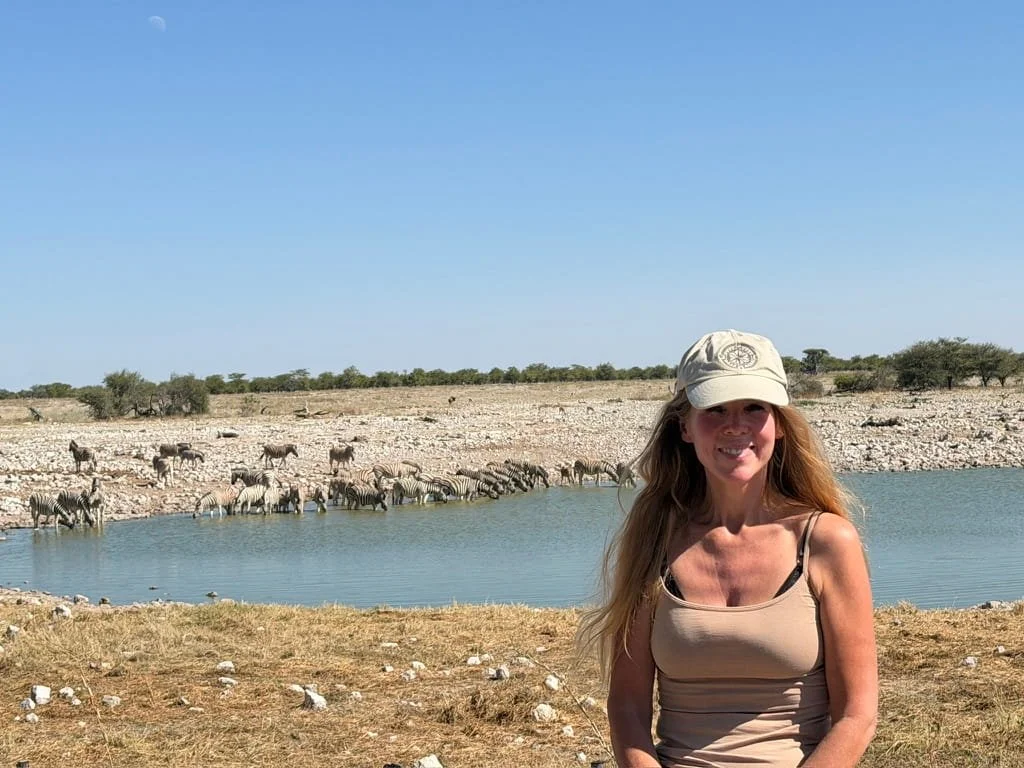
Wide-brimmed hat or cap
Swimwear
Lightweight scarf (dust protection)
Pashmina for dinners
Socks suitable for walking
3) Tech and Optics
Camera or phone with good zoom
Extra batteries and memory cards
Power bank
Hard drive if you want to empty photos off the memory cards and have a laptop with you
Binoculars (one pair per adult ideal)
Universal plug adapter
Head torch or small flashlight
4) Health and Personal Items
Basic first-aid kit (plasters, painkillers, rehydration salts)
Prescription medication
High-factor sunscreen
Insect repellent including mosquito bracelets
After bite
After-sun or soothing lotion
Hand sanitiser and wipes
Lip balm with SPF
If applicable:
Malaria medication (region dependent)
Motion-sickness tablets for boat safaris
Cash in USD to tip and in general to pay with. Accepted almost everywhere although you will often be given change in the local currency.
5) Documents
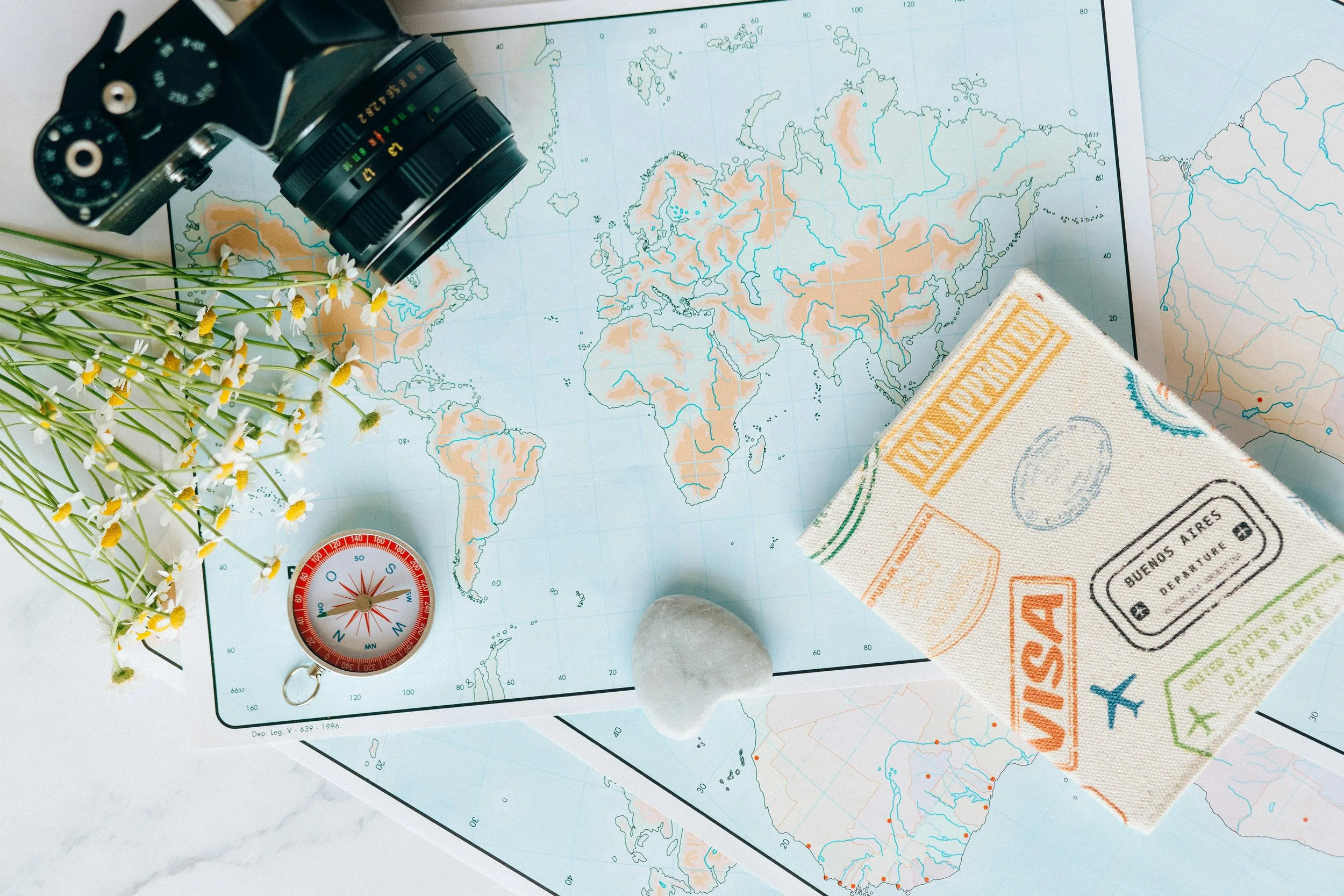
Passport (valid 6 months with at least two blank pages)
Printed or digital copies of your itinerary
Travel insurance details
Vaccination documents (if required)
Credit and debit cards
Emergency contacts
6) Comfort Items
Lightweight gloves and beanie hat for winter mornings
Travel pillow (useful on long transfers)
7) What to Leave Behind
Drones (often restricted in parks)
Camouflage clothing (illegal in some countries)
Excess jewellery
Hard suitcases (on fly-in safaris)
Hairdryers (often unnecessary and limited by camp power systems)
8) Packing Tips
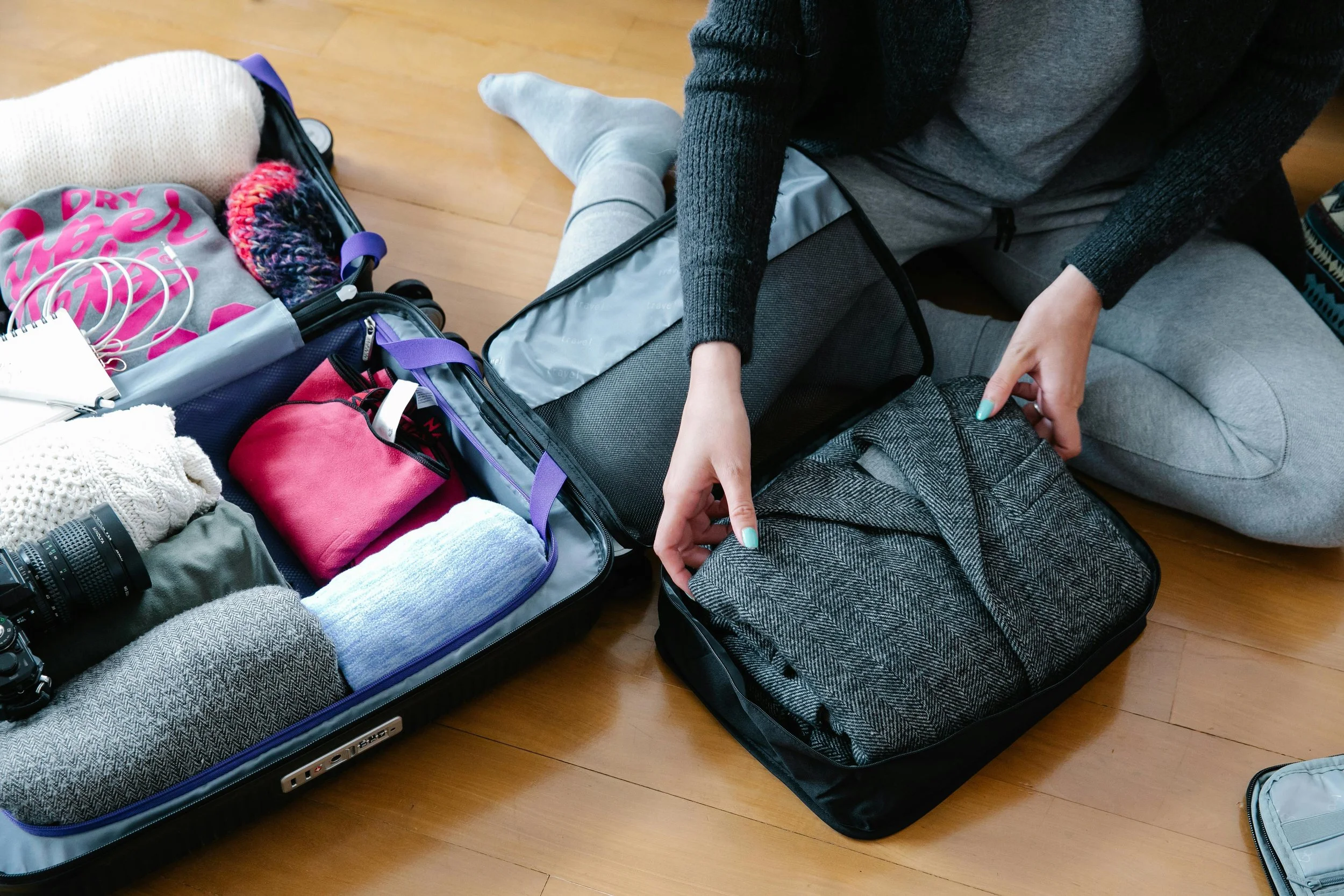
Roll clothes to save space
Pack layers rather than heavy items
Keep cameras and essentials in your daypack
Use packing cubes to separate clean and dusty clothing
Check your luggage weight before leaving home
Contact us to design your tailor-made safari