If you go down to the wild today you’re sure of a big surprise…
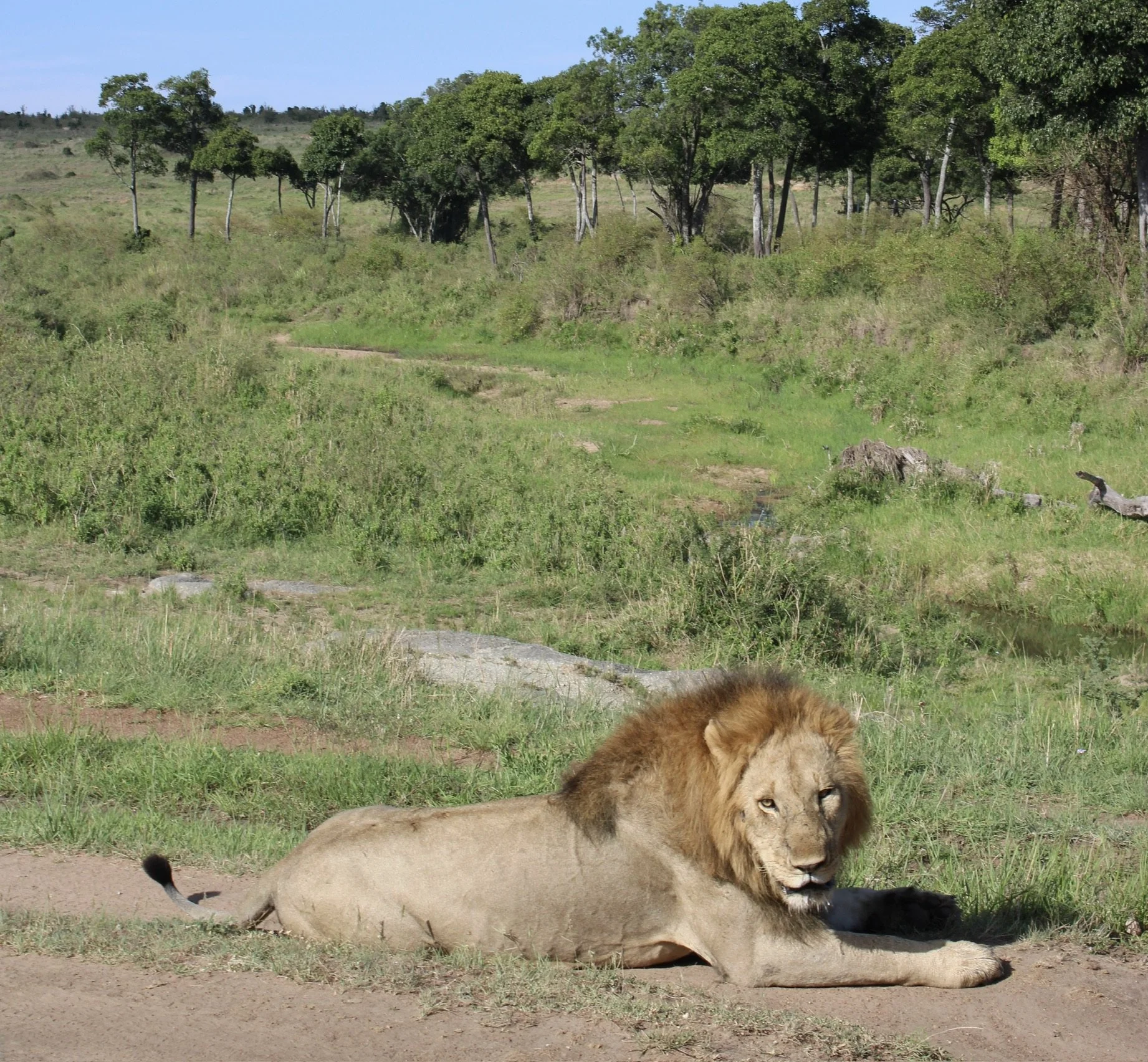
For many people, a safari conjures up images of iconic wildlife, vast landscapes and unforgettable game drives. Whilst all of that is very much part of the experience, there are also plenty of smaller details and unexpected moments that tend to surprise first-timers. It’s often these elements that make a safari feel so distinctive and memorable.

The food is incredible and you’re fed constantly.
Before going on safari, many people imagine early mornings, long game drives, and perhaps the odd packed snack. What often comes as a surprise is just how much emphasis is placed on food. Safari days are punctuated by regular meals and refreshments, both for you and the animals you’re watching. In some camps and lodges, you can be fed up to six times a day. From early-morning coffee and pastries to bush breakfasts, afternoon teas, sundowners, and delicious dinners under the stars, safaris are most definitely not a time for dieting.
How early the day starts
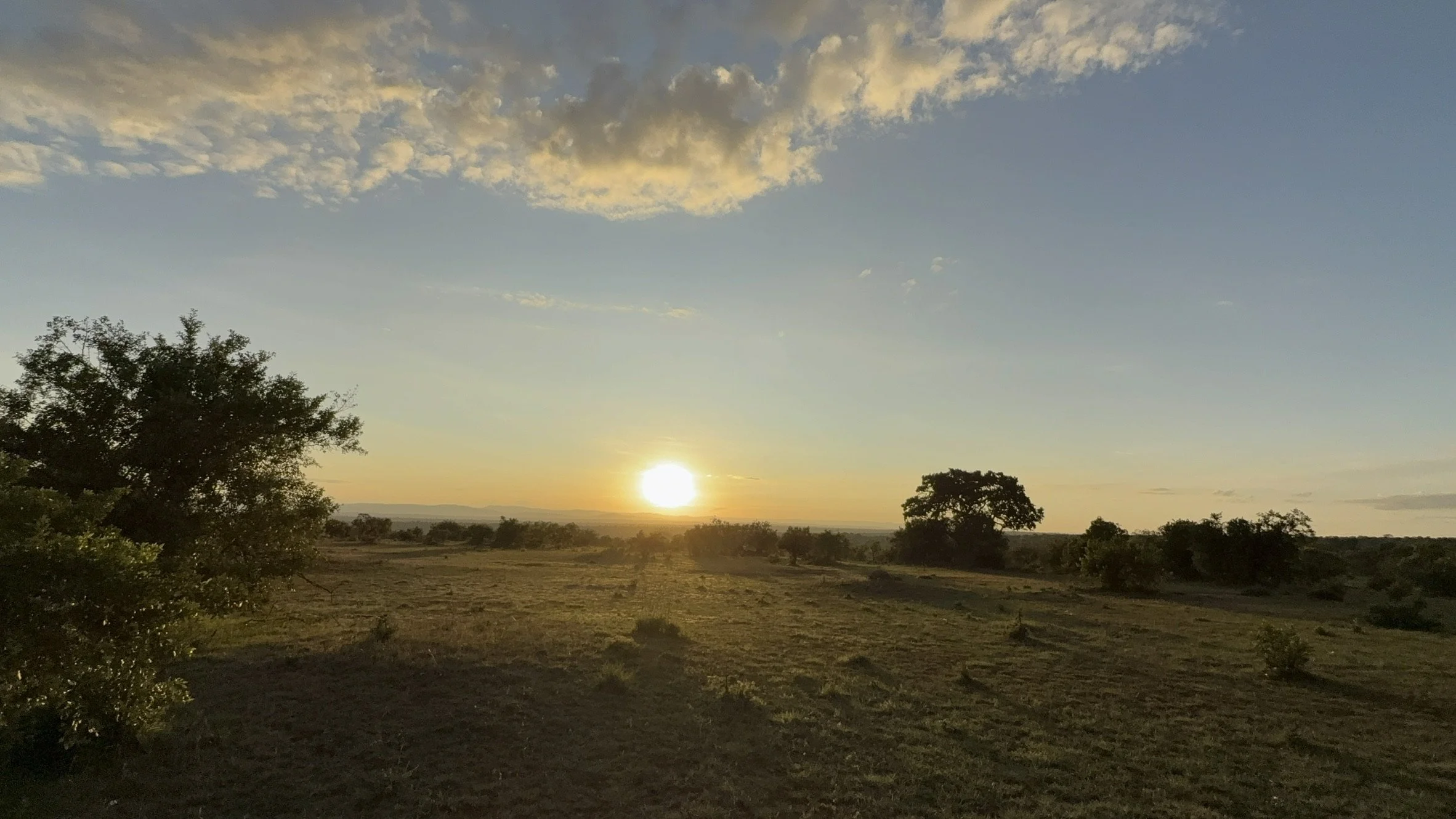
For any cat owners, it’s perhaps no surprise that the lions and all animals are at their most active in the early hours of the morning. And whilst the idea of 5am wake-up calls on a holiday sounds about as appealing as being jumped on by your cat at 3am, most people are surprised by how quickly they adapt, something helped by afternoon rest periods and early nights. There’s something quietly special about being out as the landscape wakes up as the landscape has an ethereal feel to it.
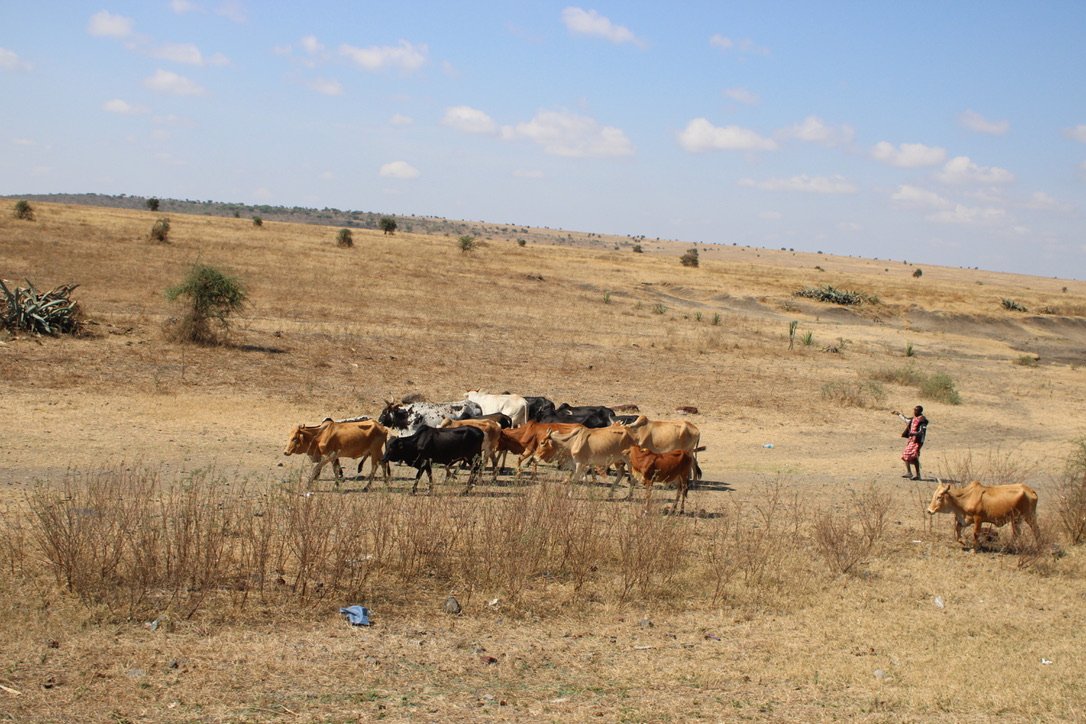
It’s not just ‘safari animals’ you’ll see.
One of the biggest surprises for many first-time safari-goers is how everyday life exists alongside wildlife. I still remember being astonished that the very first animals I saw at the gates of the Serengeti were donkeys. On another occasion in Kenya, while watching a pride of around 50 lions resting in the shade, there were women collecting firewood nearby and a herd of cows grazing not far away. When the lions heard the whistle of the Maasai herders moving their cattle, they calmly got up and walked off. It’s a powerful reminder that people and wildlife have coexisted here for generations.
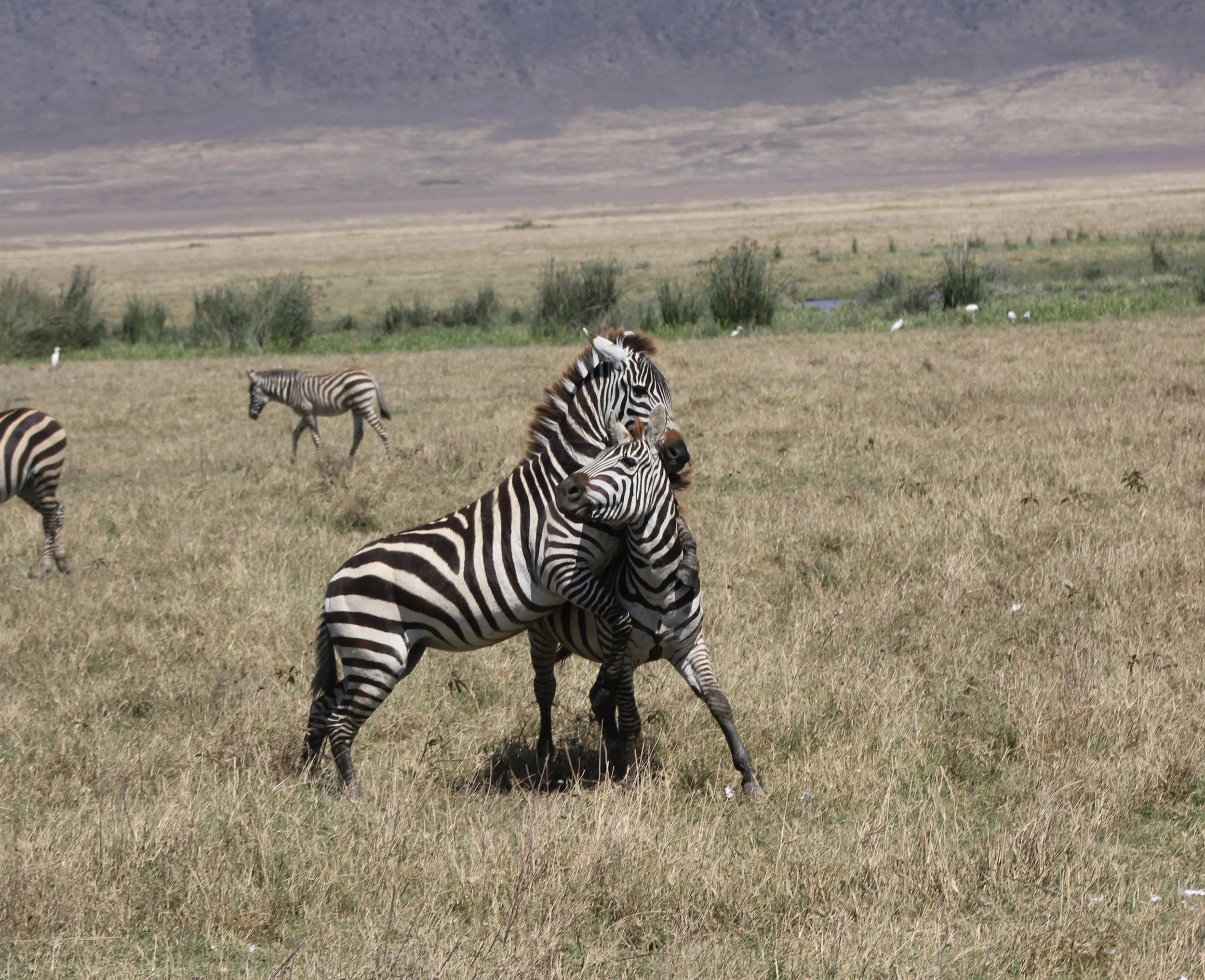
National parks and conservancies are very different experiences.
Many of the famous names you’ll recognise such as the Serengeti, Kruger National Park, or the Maasai Mara are national parks with strict regulations. One key difference is that off-road driving is not allowed in these parks. Private conservancies and reserves, however, often do allow off-road driving, which means fewer vehicles, fewer people, and a more intimate wildlife experience. These areas are privately managed and play an important role in conservation and community support.
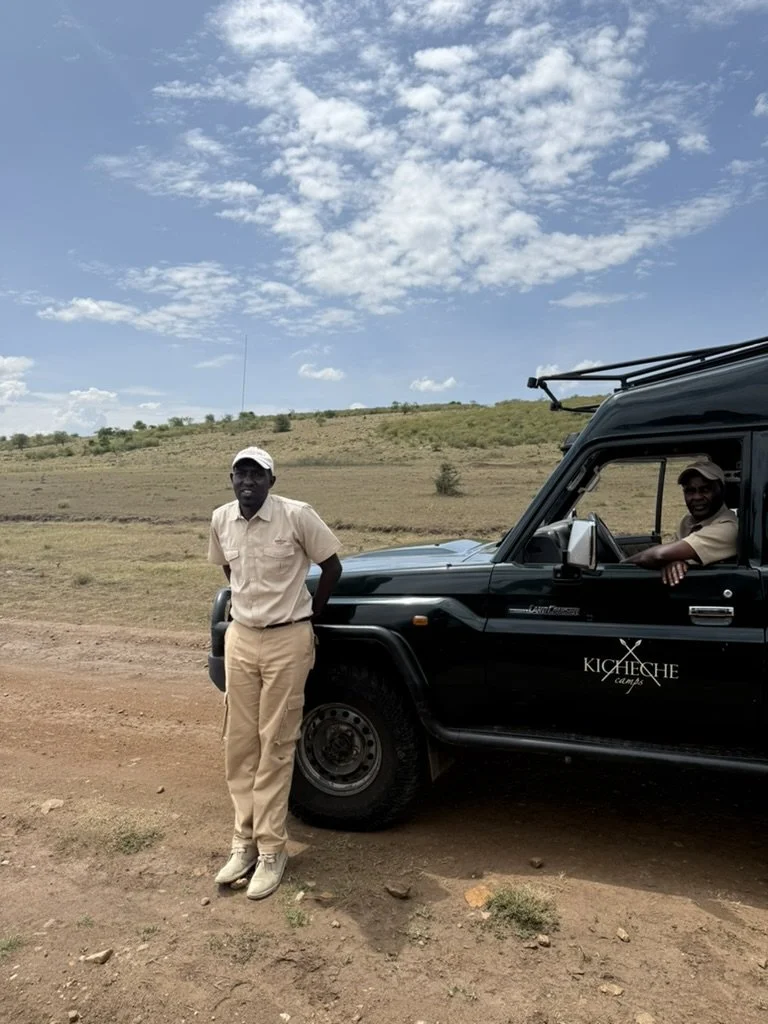
Safari vehicles are just part of the landscape.
It may surprise you how little attention animals pay to safari vehicles. To them, the vehicle is as much a part of the scenery as a tree. Even the sound of the engine rarely causes concern, apart from the occasional curious cub. The animals have grown up seeing vehicles and understand they pose no threat. The real danger comes from getting too close, particularly to animals with young. Somewhat surprisingly, elephants are usually the most aggressive toward vehicles, while lions are often remarkably indifferent.
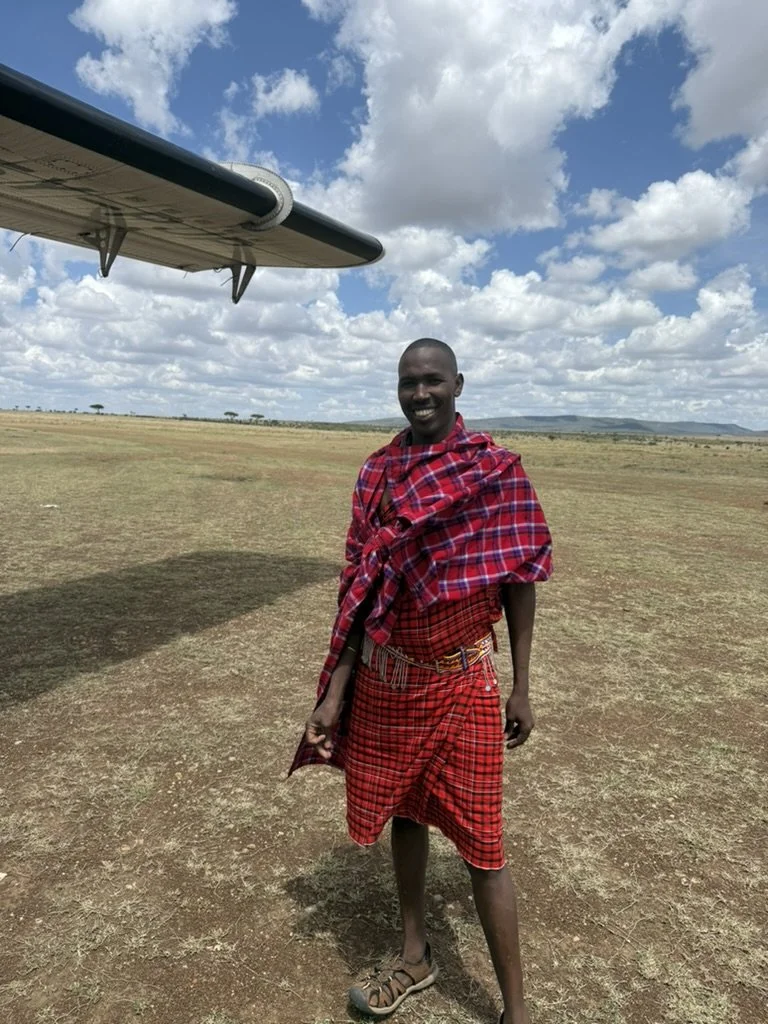
Bright colours aren’t just allowed, they’re traditional.
You’ll often be advised to wear neutral tones on safari, and there are good reasons for that. But it can still be surprising to see local tribes wearing wonderfully vibrant colors. The Maasai, for example, are famous for their bright red clothing, which stands out beautifully against the landscape which might make you wonder why you’re there dressed like a tree!
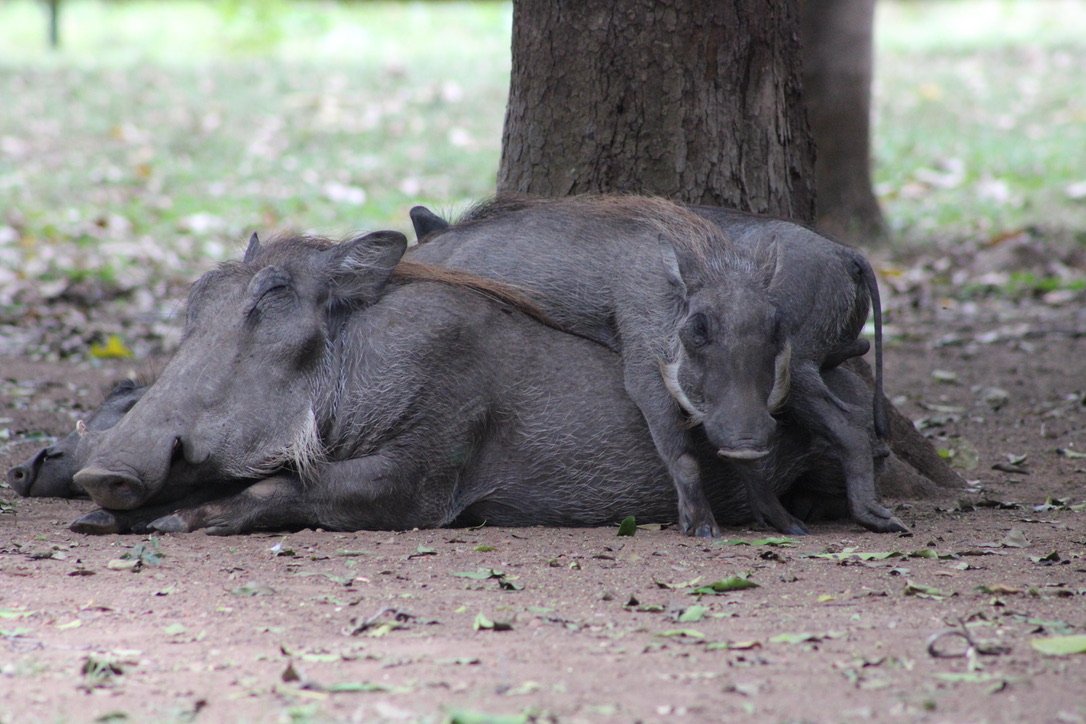
How close you are to nature at all times
Even when you’re not on a game drive, you’re still very much in the wild. Animals may wander through camp (hence you being accompanied to and from your tent/lodge to and from the main camp). One night when heading to bed a hyena walked straight in front of us, on another occasion a hippo was grazing outside my tent as I took my outside shower. You might hear the lion calls at night, and it’s common to fall asleep to the sounds of animals, particularly, if you’re close to water, hippos who are some of the noisiest animals in the bush.
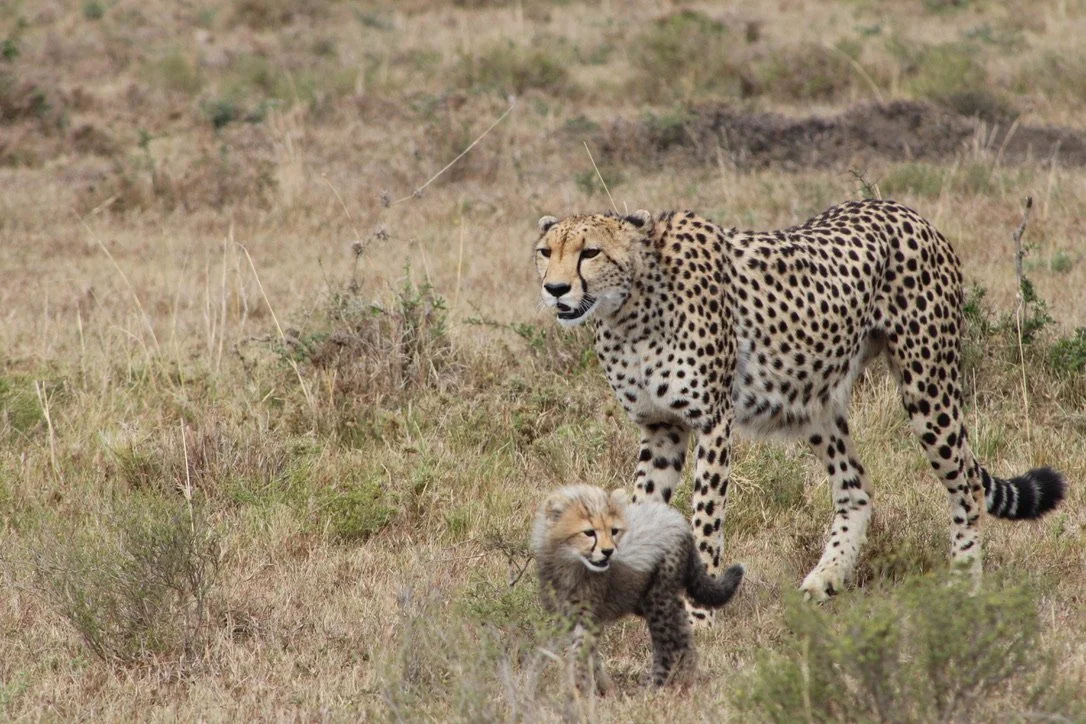
How emotional the experience can be
People often expect a safari to be exciting, but many are surprised by how deeply moving it feels. Watching animals in their natural environment, witnessing predator and prey interactions, or taking in vast, untouched landscapes can be unexpectedly powerful. It’s common to find yourself forming a connection with certain animals, becoming invested in their stories; a cheetah with one remaining cub in a battle for survival, or a lioness hiding her young from a rival male intent on taking over the territory. You are quickly drawn into the animals’ stories and they tend to stay with you long after the safari ends.
Every safari is unique, shaped by the landscape, the wildlife, and the moments in between. With the right planning, those moments come together to create an experience that feels seamless, immersive and means you will return home with suitcases of memories to replay for years after the trip is over.